


.png)



For a long time, career development lived in the job ad. Fast-track programs, mentorship, and training stipends served as bait for candidates weighing offers. And it worked.
Then people started leaving anyway.
Not because the programs were fake, but because the promise was aimed at the wrong audience.
A candidate cares about growth in the abstract. An employee cares about it concretely, they know exactly what they've learned in the last eighteen months, and if the answer is nothing, no signing bonus from two years ago will hold them.
Skills age fast. Options are everywhere. Development stopped being what gets people in the door and became what keeps the door closed.
🧲 The Evolving Workforce Landscape
The old recruiting differentiators, snack walls, nap pods, have been retired. What's left is the meaningful stuff: growth, purpose, flexibility. People want to build skills and see a path.
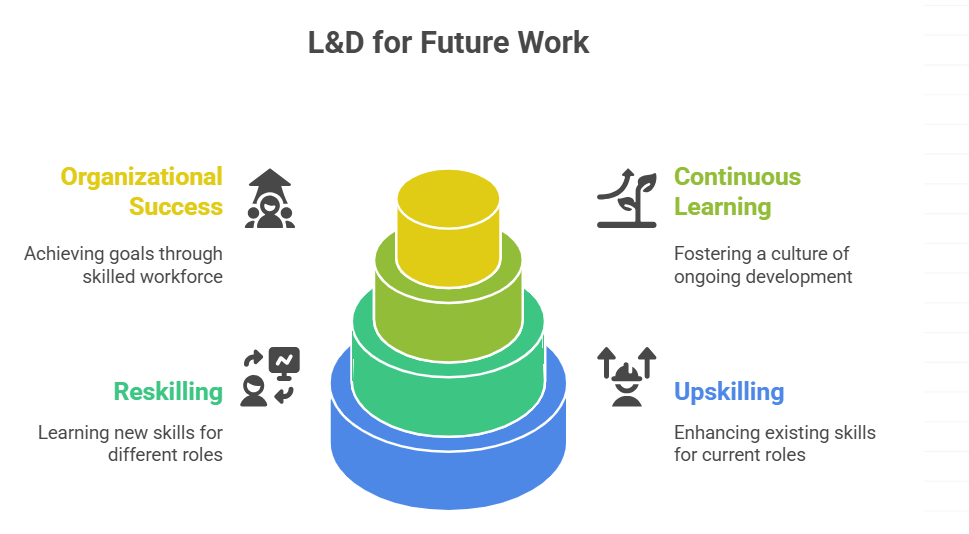
Remote work complicated it. The talent pool got wider, and development got harder at the same time.
Learning used to happen by osmosis. You overheard the senior person handle a hard call, you got pulled into a meeting you weren't ready for.
That doesn't happen across time zones. McKinsey found 58% of Americans can work from home at least one day a week and 35% full-time, which permanently changed how people grow on the job.
There's another problem. Harvard Business Review has flagged proximity bias: remote workers can be more productive and still slower to get promoted, simply because nobody sees them. If your development pipeline runs on visibility, half your workforce is invisible.
So the reframe is happening whether companies plan for it or not. Development isn't a hook anymore. It's infrastructure.
🌱 Understanding Career Development
Strip the HR language away and career development is structured, ongoing support that helps people build skills toward something that matters to them.
Training, stretch assignments, mentorship, sponsorship, tuition support, certifications, rotations, real advancement ladders.
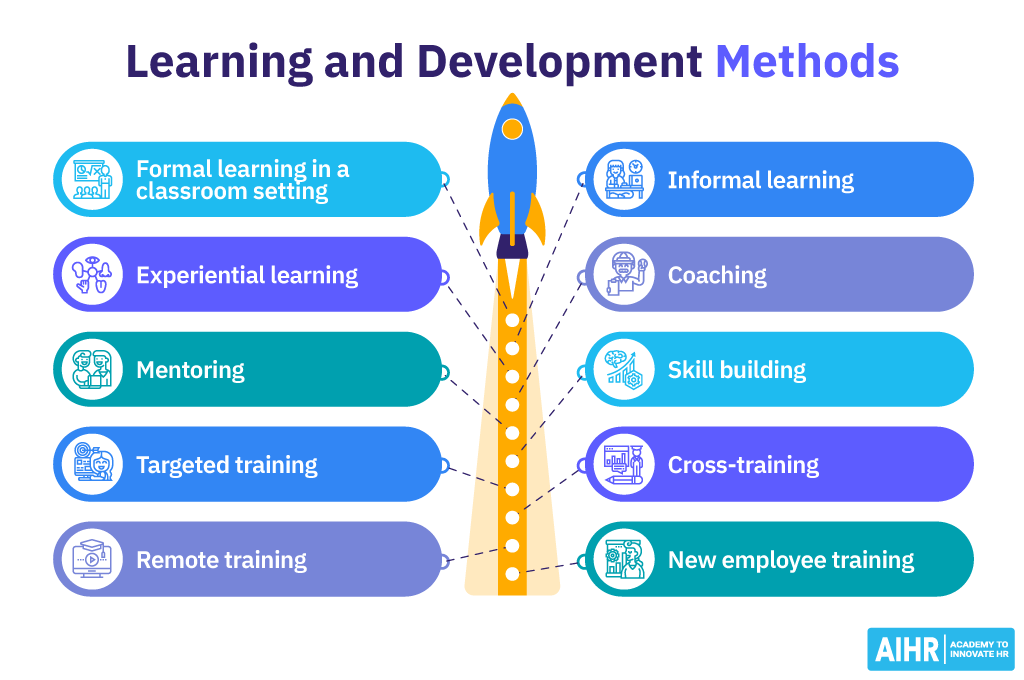
The common thread is intention. You're not hoping people grow, you're setting them up to grow and making sure they have the time to do it. A learning platform license nobody has calendar space to use isn't a program. It's an expense line.
This logic isn't limited to corporate jobs either.
Niche fields have built their own learning infrastructure. Real estate investors increasingly turn to structured land investing education instead of learning by trial and error. Different industry, same principle: intention beats osmosis.
The pace of skill decay makes this urgent. Gartner reported that 58% of the workforce will need new skills to do their jobs successfully. Development has to be a daily practice, not an annual workshop with boxed lunches.
🔒Career Development as a Retention Strategy
The numbers are not subtle.
LinkedIn's Workplace Learning Report found 94% of employees would stay longer at a company that invested in their learning. Almost nothing else in people strategy polls like that.
Internal mobility compounds it. Companies that excel at internal hiring keep employees 41% longer. People want momentum, and if they can't find it inside your walls, they'll find it outside them.
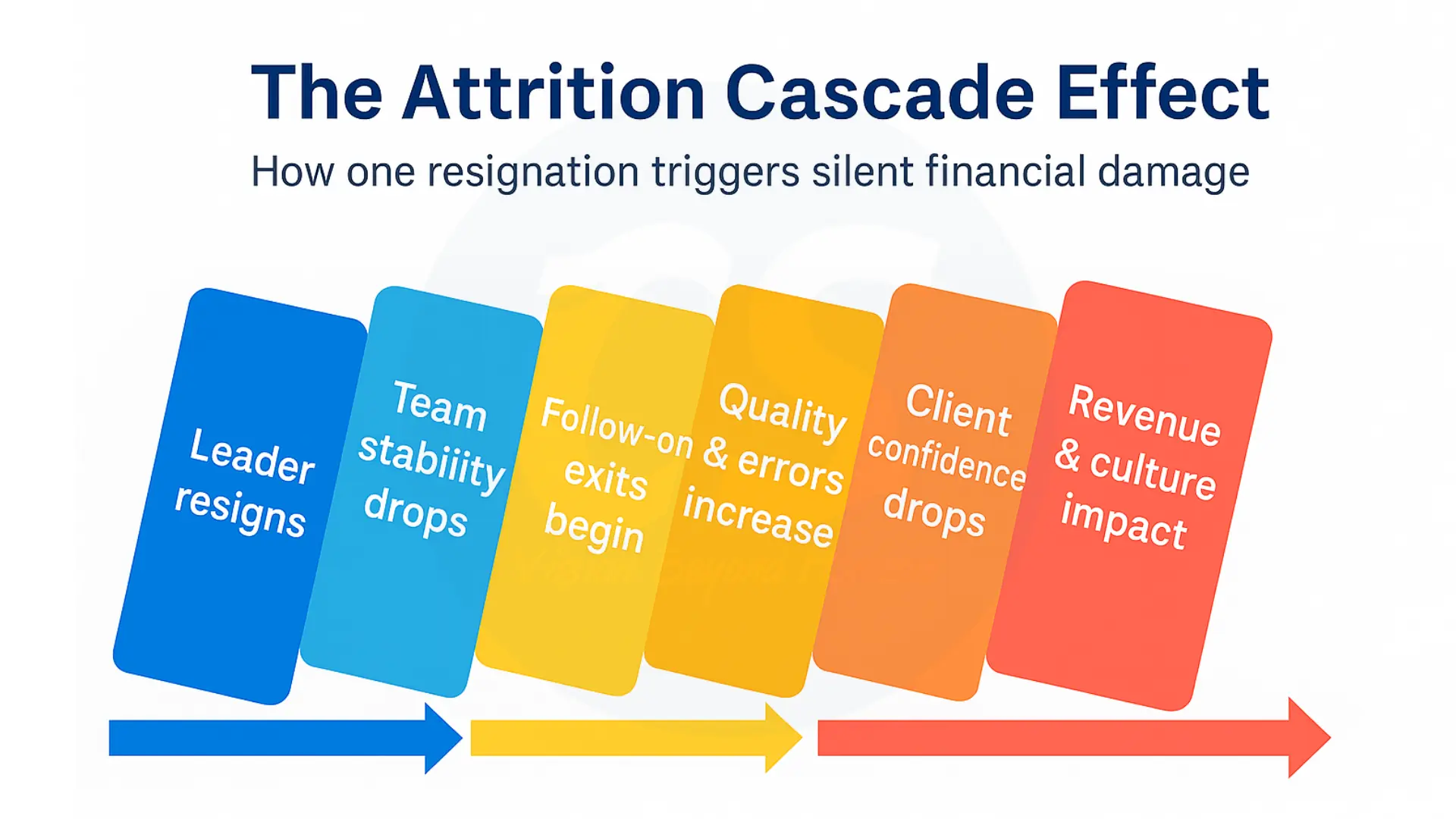
Now the cost side. Gallup puts replacement cost at one-half to two times annual salary, roughly a trillion dollars a year across U.S. businesses. And the Work Institute's Retention Report consistently ranks career issues among the top reasons people leave. The highest cost and the most fixable cause point at the same thing.
You've seen the human version if you've watched someone come back from a stretch assignment or a certification. The posture changes. They start talking about what's next instead of what's wrong.
🛠️ Implementing Effective Career Development Programs
Start where people are, not where the org chart wishes they were.
Build the plan around real conversations
Here’s how to find out what people really want:
- Ask people what they want to learn and where they're headed. Pair that with skills assessments and manager input so you're not working from one data point.
- Map individual ambitions to business priorities. Development connected to real opportunity gets used; development that isn't gets politely ignored.
- Set goals, timelines, and resources, then revisit quarterly. A plan written in January and reopened in December is a document, not a plan.
Mix the methods
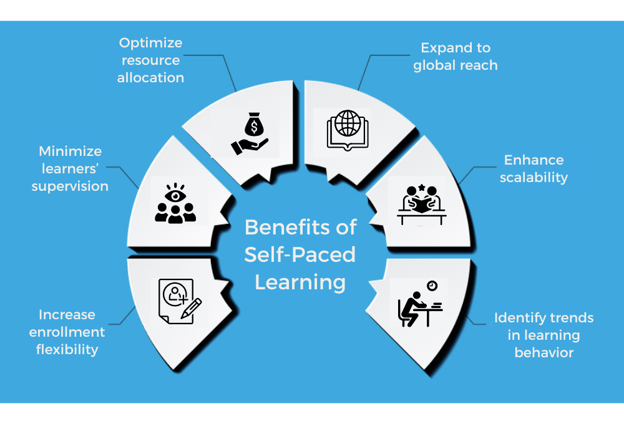
Online courses, peer learning circles, project-based work, shadowing. Self-paced learning only sticks when paired with practice and feedback, a completion certificate proves attendance, not capability.
Mentors and sponsors deserve more weight than they get. A mentor gives advice. A sponsor puts your name in a room you're not in. Both make development social, which is a large part of why it sticks.
Learn from companies running this at scale:
- AT&T reskilled tens of thousands of employees through online learning and university partnerships as its technology base shifted.
- Walmart's Live Better U expanded to cover 100% of tuition and books, with stronger retention and promotion reported among participants.
- McDonald's Archways to Opportunity shows the same pattern: tuition assistance and education pathways, higher retention and advancement among people who use it.
None of these are boutique programs. They work at hourly-workforce scale, which kills the excuse that development only pencils out for knowledge workers.
⚠️ Challenges in Shifting from Recruitment to Retention
The budget conversation usually goes badly because the wrong numbers are on the table.
Don't defend a learning program in isolation, put it next to turnover cost and time-to-fill. Pilot in a high-turnover role where the baseline is ugly. Those pilots produce a before-and-after nobody can argue with.
Marketing teams solved this framing problem years ago. Nobody justifies call tracking software by pointing at the license fee, they point at which campaigns actually drive revenue. Development budgets need the same treatment: cost next to outcome, not cost alone.
If development has been ad hoc, structure will feel stiff at first. Involve employees in designing the program, train managers to coach, and celebrate small wins loudly. Momentum does the convincing that memos can't.
And measure something specific. Track:
- Participation and completion rates
- Skills gained and verified
- Internal mobility and promotion velocity
- Retention among participants versus non-participants
- Time-to-fill for key roles, and the percentage filled internally
Baseline first, review quarterly, and use the data to tune the program, not to grade people. The moment metrics become punishment, participation becomes performance.
🧭 The Role of Leadership in Career Development
Programs live or die on what managers do Tuesday afternoon.
An employee can be enrolled in the best curriculum in the world, but if their manager treats learning time as skippable, the message lands within a month: growth is extra credit here.
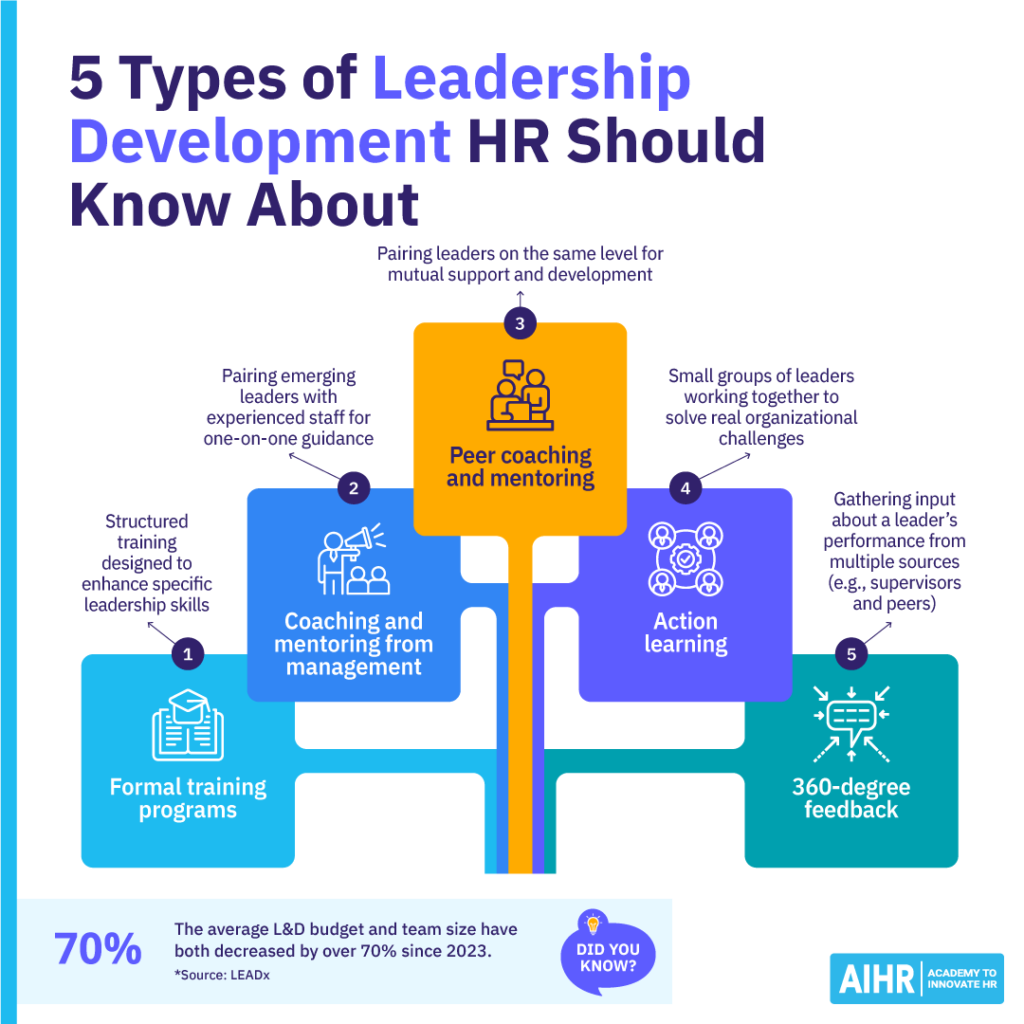
The reverse is also true. When leaders protect development time and talk openly about what they're learning themselves, the permission structure changes for everyone below them.
Psychological safety runs underneath all of it, teams learn faster when people can ask questions and float half-formed ideas without paying a status tax.
Sponsor people. Share your network. Put the quiet high performer's name forward for the project they'd never volunteer for.
Kill the annual career conversation and replace it with frequent, candid ones: where do you want to go, and what's the next skill that gets you closer?
Tie development goals to performance goals so growth counts as work. Because it is.
🏁 The Long Game Wins
The companies getting this right have made growth personal, visible, and habitual, and they've accepted that the payoff arrives on retention timelines, not recruiting ones.
That patience is the price. It's also the moat.
For more practical ways to build development into everyday work and team culture, explore additional ideas and resources on Confetti. If you've tested a career development program, share what worked and what you'd change next time.