






Bringing a mixed team into the same room sounds simple. But what clearly works for half the group may drain the other half.
The usual setup: big room, loud icebreakers, fast discussion, leans hard in one direction. You see it immediately. A few people carry the energy. Others go quiet. Not because they don’t have ideas, but because the format doesn’t give them a way in.
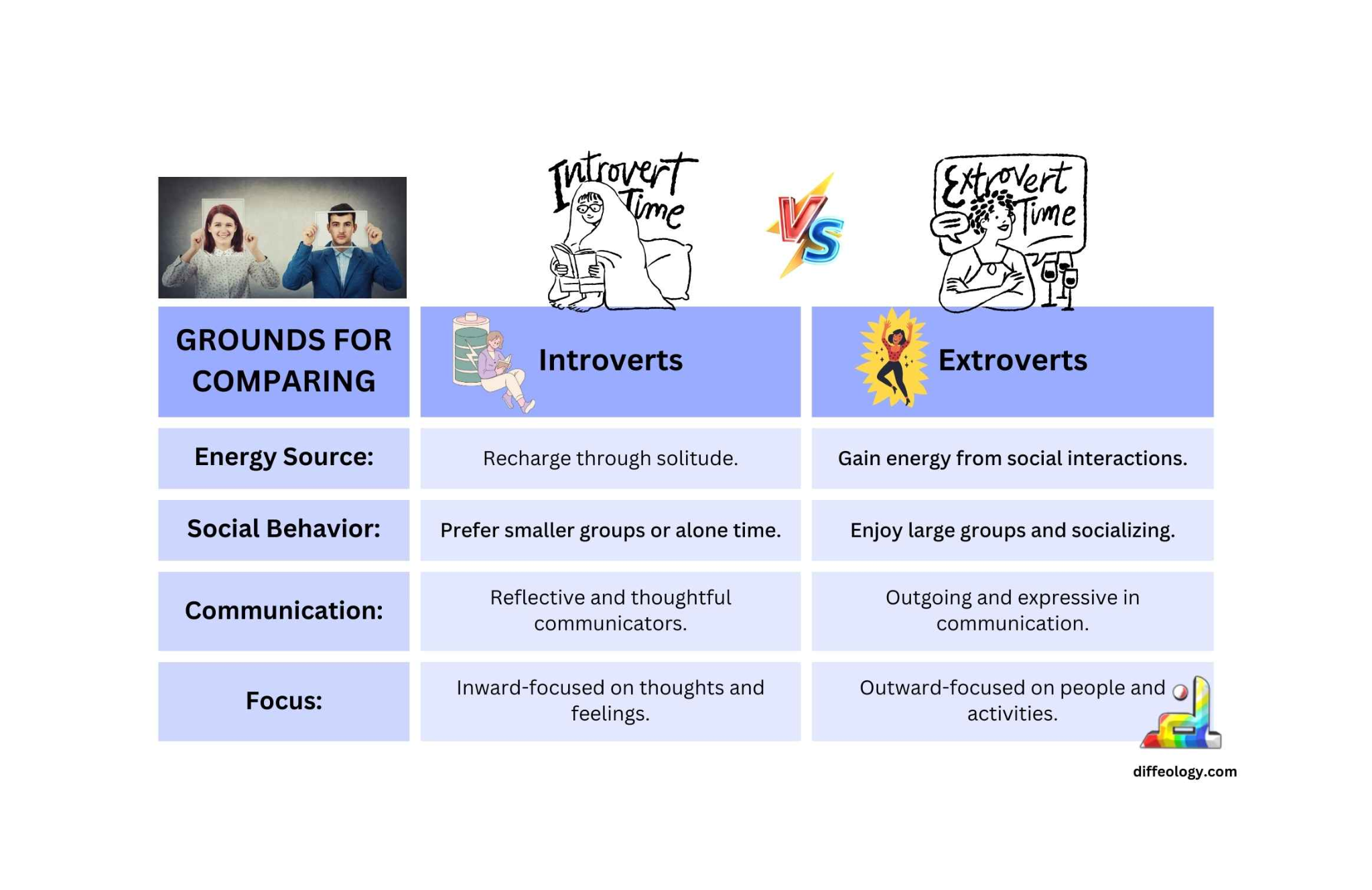
Introverts and extroverts don’t struggle with the same things. One group processes out loud. The other needs a beat before speaking.
If everything is live and verbal, you’re asking part of the team to do their worst thinking in public.
There’s a reason traditional brainstorming underperforms. Groups generate fewer ideas together than individuals do alone first. In practice, it looks like repetition, shallow input, and the same voices dominating.
Change the structure, and the output changes, ideas came from different people, and you moved forward.
Understanding Introversion And Extroversion In Team Dynamics
Introversion isn’t shyness. That confusion still shows up all the time.
Most introverts are perfectly comfortable speaking. They just prefer to think first. Extroverts often think out loud.
If you only create space for one style, the other goes silent.
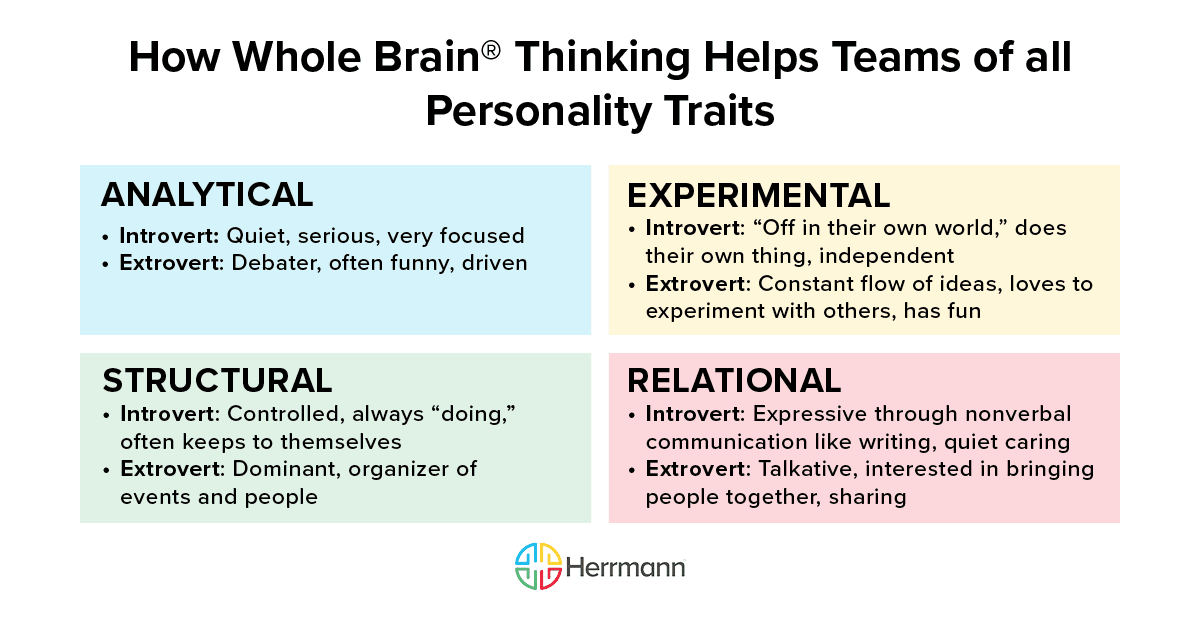
Roughly one-third to one-half of people are introverted. So this isn’t a niche problem. It’s most teams.
And when everything is optimized for speed and volume, you’re systematically missing part of your team’s thinking.
The Importance Of Meaningful Team Events
Most teams struggle with how effort is structured.
You can run the same off-site, with the same people, and get completely different outcomes depending on how the session is set up. Ten people can show up, and three carry the conversation. The rest sit back, not because they’re disengaged, but because there’s no clear way for them to enter.
That’s where things break.
When participation depends on who speaks first or fastest, you narrow the range of input. You get quicker discussions, but thinner thinking. And over time, that shows up in the work with fewer ideas, less pushback, and more of the same perspectives repeating.
Gavin Yi, CEO and Founder of Yijin Solution, works with engineering and manufacturing teams where technical decisions depend on input from specialists who don’t always speak first.
He says, “In technical teams, the most valuable input often comes from people who are still processing the problem while others are already talking. If the format favors quick responses, you miss that layer entirely. We’ve had better outcomes when we give engineers time to think and document their input before discussion, because the depth shows up in the decisions.”
When a session leans entirely on live discussion, you’re already limiting what the team can produce.
The upside is just as real.
When sessions are structured around how people actually think, some needing time to process, others preferring to talk things through, you see a different pattern. More people contribute. Ideas come from across the team, not just a few voices.
And when that happens consistently, it carries into the work itself.
That’s where team-building actually pays off. Structured properly, it improves performance—not because people feel good in the moment, but because the team starts operating with more input and better alignment.
Planning Inclusive Team Events
The work starts before the session.
A simple pre-event survey is enough to identify signals of what drains people, how they prefer to contribute, and what makes them check out.
The bigger shift is removing uncertainty.
When people know what’s coming, the agenda, expectations, and how they’ll be asked to participate, they show up with less hesitation, and you garner more actual input.
Conrad Wang, Managing Director at EnableU, works with distributed teams where participation often breaks down before a meeting even starts.
He says, “We’ve seen the biggest drop-offs happen before the session begins, not during it. If people don’t know how they’re expected to contribute, they default to staying quiet. When we started sharing clearer agendas and giving people the option to prepare input in advance, participation didn’t just increase, it became more balanced across the team.”
Give options where you can:
- Speak or write
- Large group or small breakout
- Camera on or off
- Live input or async contribution
Because when people can choose how they engage, they engage.
Event Ideas That Engage Both Introverts And Extroverts
You don’t need clever formats. You need flexible ones.
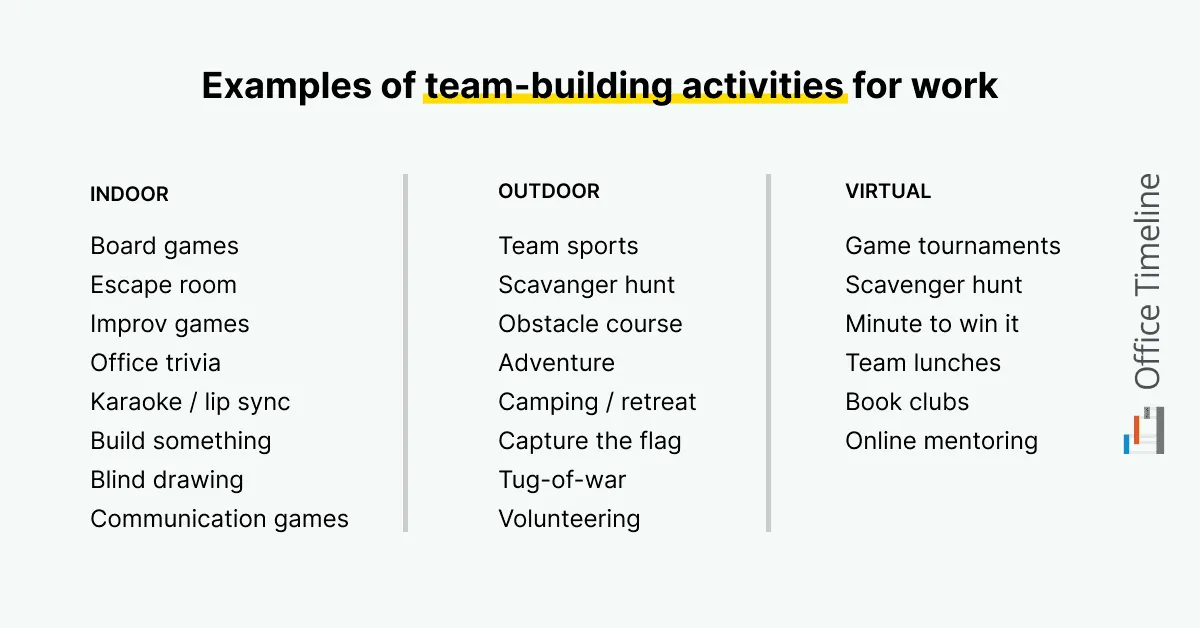
- Escape rooms work when roles are defined, like someone tracking clues, someone spotting patterns, and someone managing time. Different ways to contribute, not just different tasks.
- Workshops land better when you start with writing, then move to smaller groups, then open it up. Not the other way around.
- Volunteering works when there’s a mix, with some front-facing roles and some behind-the-scenes tasks.
- Asynchronous challenges are often more effective than live ones. Give people time to think, then bring the best ideas into a shared session.
You see this play out clearly in events that have a visible output. When teams are working toward something tangible, participation tends to spread more naturally because not every role requires being front and center.
Even something as simple as setting up shared visual elements, like event framing for team photos or outputs, gives people a way to contribute without having to lead the interaction itself.
The common thread is simple. Don’t force one mode of participation.
Facilitating Interaction And Contribution
You can design a solid agenda and still lose the room if facilitation is off.
Start with silence. Even a minute of writing before discussion changes the quality of what follows.
Then structure how people contribute:
- Individual → pairs → small groups → full group
- Written → spoken → optional share
Rotate speaking instead of waiting for volunteers. Use written channels alongside live discussion. Collect questions in writing first.
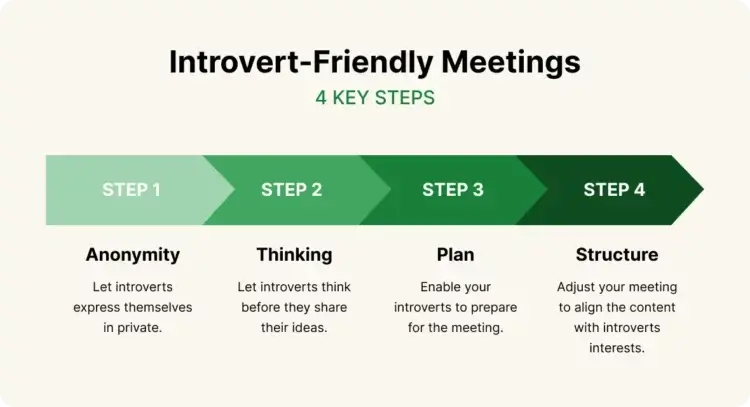
Technology helps when it gives people options.
- Anonymous polls surface ideas people won’t say out loud.
- Chat lets people contribute without interrupting.
- Breakout rooms make it easier to speak.
- Shared boards capture thinking without time pressure.
Wade O’Shea, Founder of BusCharter.com.au, manages operations across teams where coordination depends on clear, consistent communication.
He says, “In operations, the risk isn’t silence, it’s partial input. You’ll hear from the same few people, and decisions move forward without the full picture. We’ve had to build in structured turn-taking and written check-ins just to make sure nothing gets missed. It slows the conversation slightly, but the decisions are far more reliable.”
These are ways to make participation easier without forcing it, which builds psychological safety over time.
Measuring Success And Continuous Improvement
Most teams guess whether an event worked. Better to look at what actually happened.
- Who contributed?
- How evenly was talk time distributed?
- Did ideas come from different people?
- What moved forward after?
Bryan Henry, President of PeterMD, works with clinical and operational teams where decisions depend on clear input across different roles.
He says, “In healthcare, you can’t assume alignment just because a meeting happened. We look at who contributed, what decisions actually moved forward, and whether anything had to be revisited later. If the same voices dominate or decisions keep getting reopened, it usually points back to how the discussion was structured, not the team itself.”
Post-event surveys help, but only if they go beyond did you enjoy this? Use these to ask what made participation harder. Ask what formats worked, and then adjust.
Making It Work
When you build in reflection time, offer real choices, and don’t force a single way of participating, more people contribute.
And the quality of thinking improves.
You stop relying on whoever speaks first. You start hearing from people you weren’t hearing from before.
If you’re planning team events and want formats that don’t default to the same few voices, it’s worth looking at how Confetti structures their sessions.
The difference is in how participation is designed, multiple ways to contribute, built-in reflection, and formats that don’t rely on who speaks first.