


.png)



Internal event marketing is the art of getting your own people excited enough to show up and spread the word, without relying on gift cards or swag to do the heavy lifting. Think of it as creating pull, not push.
Why does this matter? Internal events build culture in a way that all-hands emails never will. They shape shared language. They introduce fresh ideas. They strengthen the tiny bridges that make collaboration smoother.
The problem? Only about one in four (21%) employees feel engaged at work. If you want to move the needle, events are a practical place to start because they reach across hierarchies and teams in one go. But offering incentives isn’t necessarily the key!
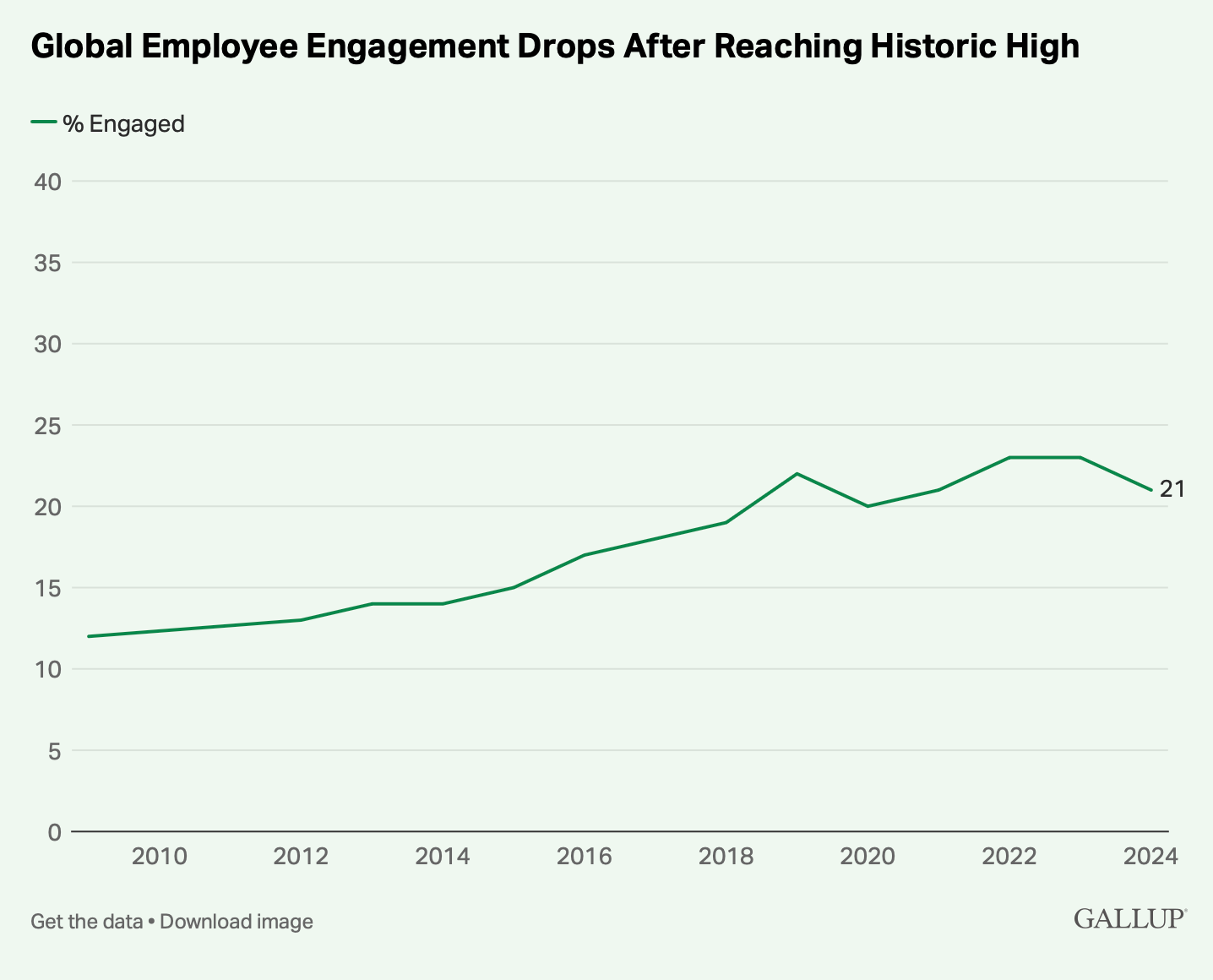
Don’t worry; This page tackles what you need to know about internal event marketing. As a leader, keep reading to learn how to increase buy-in and participation from your employees, even without perks or incentives.
1. Understand Your Audience 🧑🤝🧑
You can't market an event to "everyone" and expect it to get attention. Treat your internal audience the way great product marketers treat customers: segment, listen, tailor, and repeat. This is particularly crucial if and when you’re leading hybrid and remote teams.
Start with simple segments you already know: departments, locations, seniority levels, office vs. remote, new hires vs. veterans, managers vs. ICs. This isn't about stereotyping. It's about acknowledging that a first-year analyst and a senior engineer might be looking for different values.
Ryan Beattie, Director of Business Development at UK SARMs, has spent over a decade working on employee participation. He's tried almost everything.
Beattie says, "The most successful internal events start with genuine curiosity about your employees. When you take time to understand their interests and professional goals through surveys and conversations, you create events that feel personally relevant. This approach consistently drives higher voluntary participation than any incentive program we've tried."
Collect those insights with light yet respectful touchpoints:
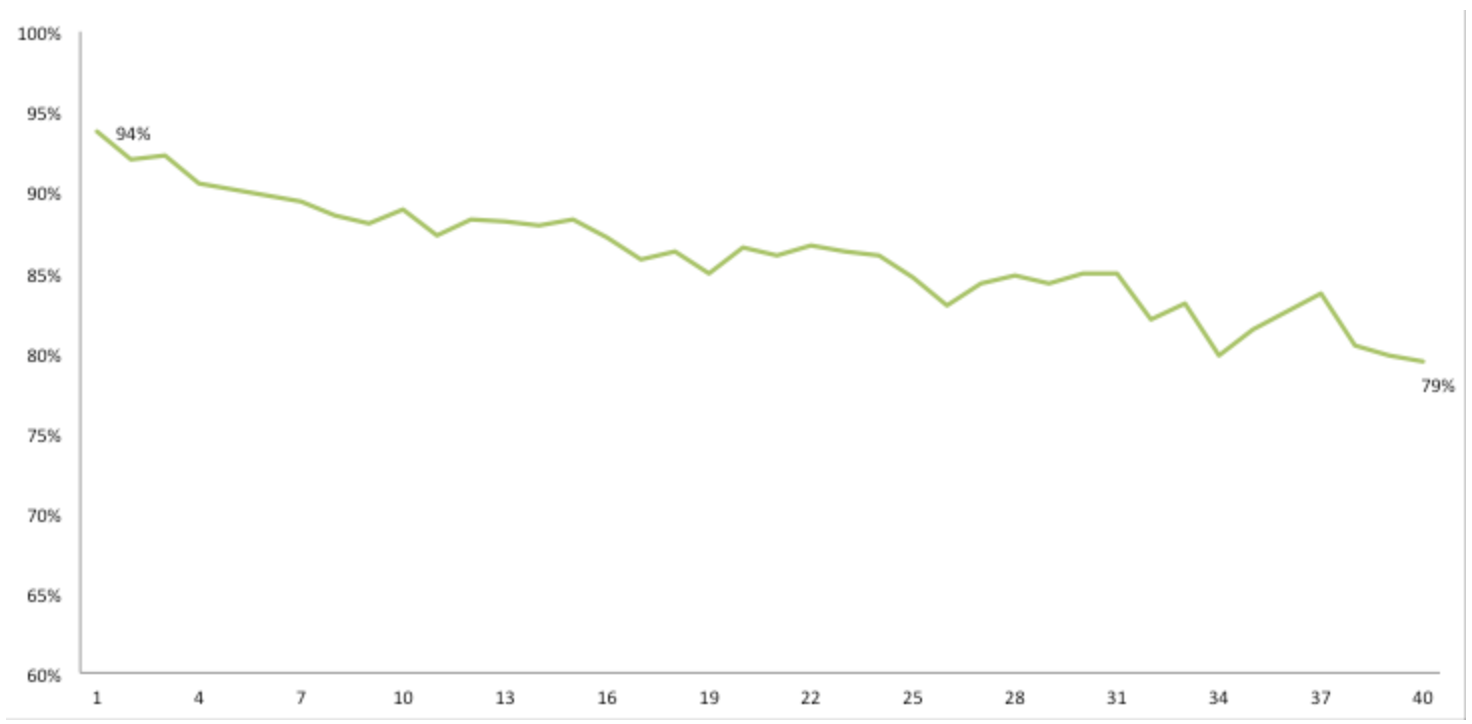
- Short surveys that people can finish in under five minutes. Surveys with fewer questions tend to earn higher completion rates. On average, 10-question surveys have a 89% completion rate, dropping slightly to 87% for 20 questions, 85% for 30 questions, and 79% for 40 questions.
- A few informal interviews or micro focus groups. Ask what made a past event worth their time and what would make them say yes to the next one.
- Quick polls in Slack or Teams about topics, formats, and timing.
Finally, study your own history:
- Pull attendance by:
- Team
- Time zone
- Topic
- Look for patterns:
- Which speakers drew interest?
- Which time slots bombed?
- Which formats kept people until the end?
The past has clues about what will resonate next.
2. Craft a Compelling Event Narrative 📋
People don't show up for a calendar invite. They show up for a reason. That reason needs to be clear and human while aligned with something bigger than the agenda.
Ryan Walton, Program Ambassador of The Anonymous Project, has transformed attendance at voluntary events by connecting them to what people actually care about.
Walton explains, "Every internal event needs a compelling 'why' that goes beyond the agenda. When employees understand how an event connects to the company's mission and their own career journey, they show up because they want to be part of something bigger. The story you tell about your event matters as much as the event itself."
Make your narrative concrete:
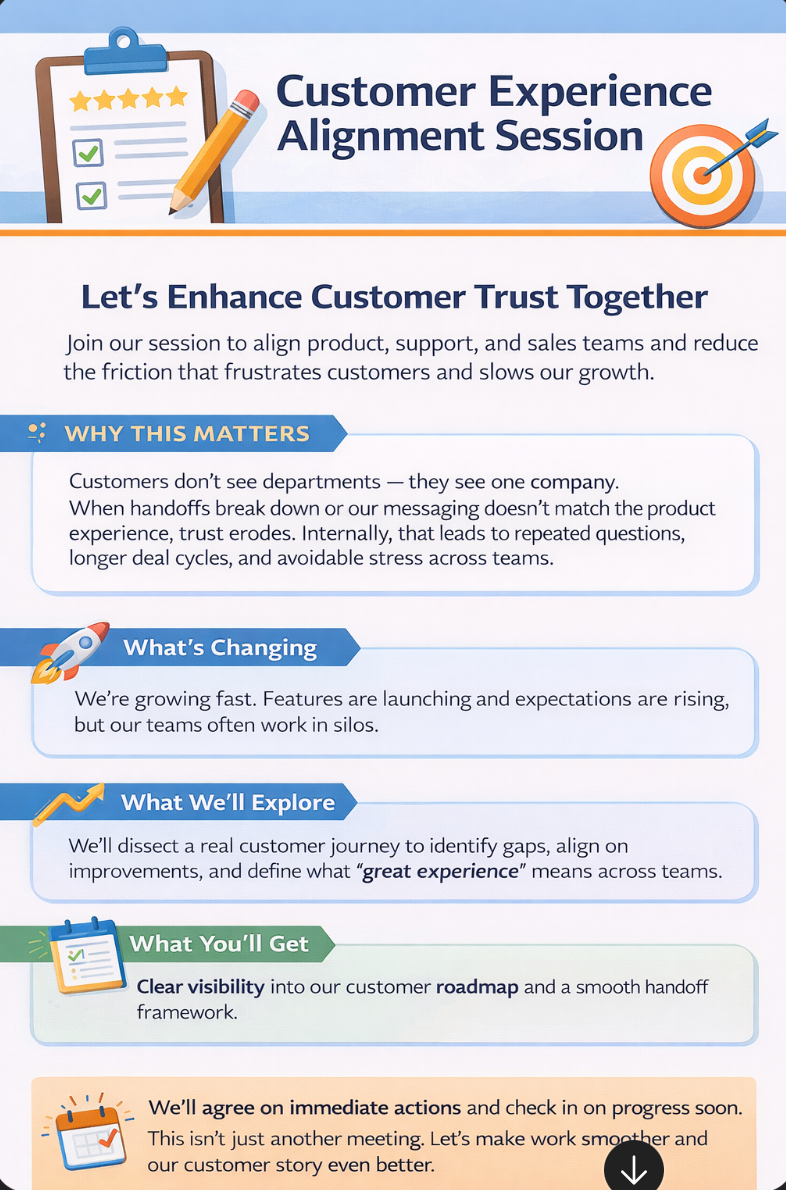
- Start with a one-sentence purpose. This should ladder up to company goals. Example: We're hosting this session so products and sales can align on our customer roadmap and reduce handoffs that slow deals.
- Name the value for the attendee. What will they leave with? A new framework, a cross-functional connection, feedback on their idea, or what?
- Show the human stakes. Tie the event to real customer stories or a problem that frustrates people across the org.
Tell it like a story:
- Give it a beginning (what's changing)
- A middle (what we'll explore)
- An end (what we'll do next)
If the invite reads like a policy memo, you'll lose people. If it reads like a chance to make their workday easier and their growth curve steeper, they'll lean in. Here’s a perfect example:
3. Use Internal Communication Channels 💬
If you've ever missed an invite buried under 300 unread emails, you're not alone. Attention is scarce. The fix is to meet people where they already are and say the most with the fewest words. Likewise, offering choice-based participation in your internal communication can make a world of difference. That said, use a mix of channels:
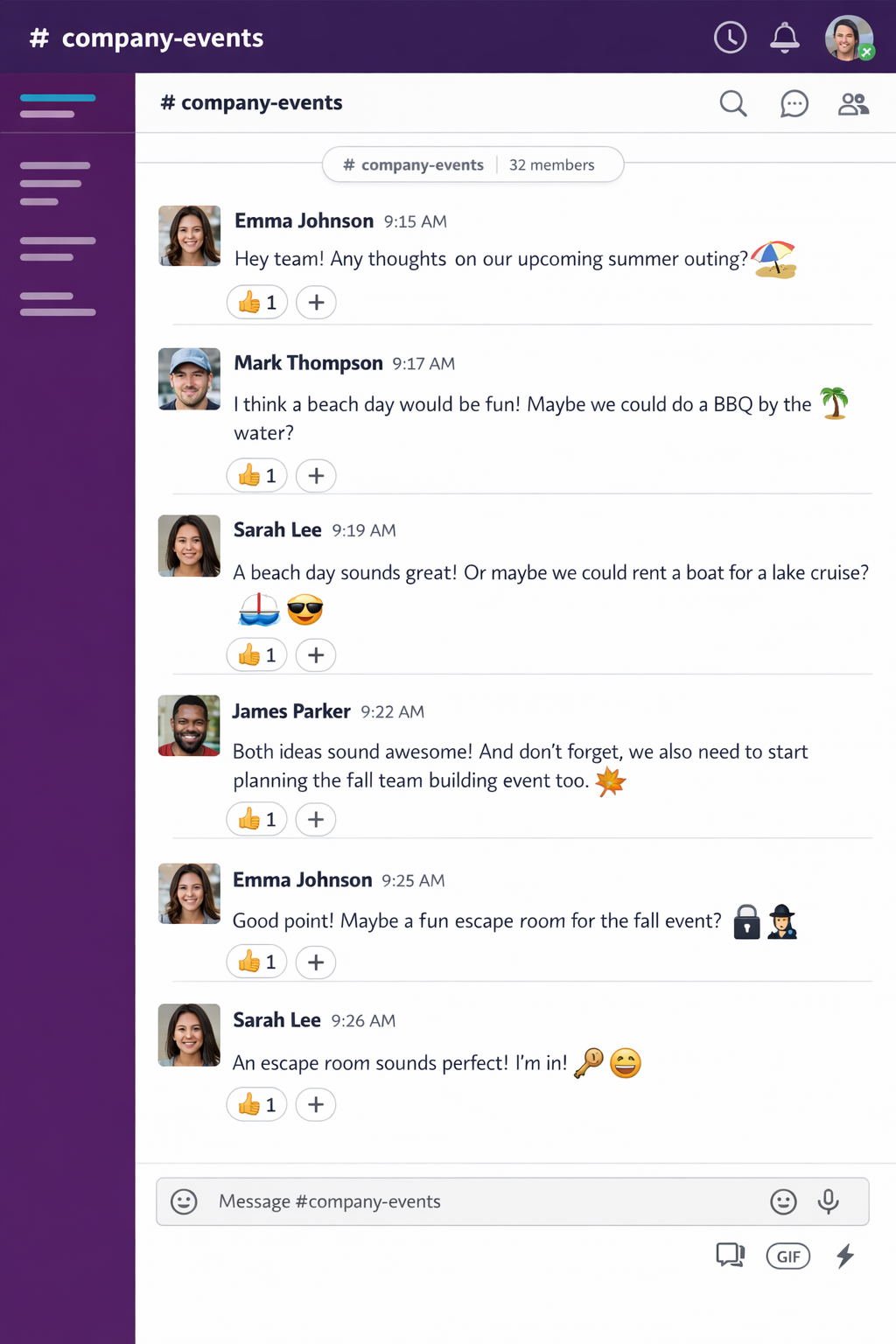
- Slack/Teams for quick reminders, polls, teaser clips
- Email for the official invite and clear CTAs
- Intranet or wiki for details, FAQs, replays
- Manager toolkits for cascading messages in team meetings
- Digital signage or screensavers in offices
- Calendar event people can accept in one click
Cris McKee, Founder of GetWorksheets.com, recommends leveraging various communication channels for internal events.
McKee suggests, “Don’t rely on one channel and hope for the best. Internal events gain traction when you show up consistently across the platforms employees already use…and tailor the message to fit each space. The easier it is to see, understand, and act on the invite, the higher your turnout will be.”
Helpful tips for crafting messages:
- Lead with the benefit, not the logistics.
- State the task early: Save your seat. Vote on a topic. Submit a question.
- Use visuals: A 20-second teaser or a single chart can hook attention.
- Time it right: Avoid Monday mornings and late Fridays, as well as consider time zones.
4. Activate Employee Ambassadors 🤓
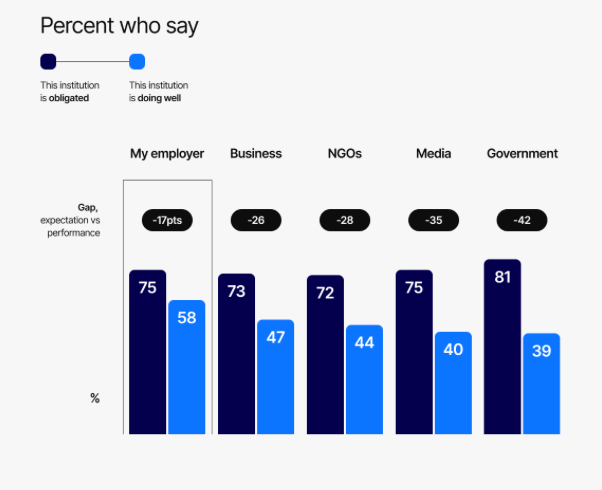
Colleagues trust colleagues. It's human nature. Edelman's Trust Barometer consistently shows that "my employer" is one of the most trusted institutions, and peer voices carry special weight. The proof is in the numbers:
Adrian Iorga, Founder and President of Stairhopper Movers, has built ambassador programs across multiple organizations.
Iorga shares, "Your best event promoters are already in your organization…they just need the tools. When employees see their colleagues genuinely excited about an event, it creates natural curiosity and FOMO. That’s why focus on finding those naturally enthusiastic people in each department and giving them the tools to share their excitement on their own terms."
How to build a lightweight yet high-trust ambassador network:
- Invite 1–2 champions per team who naturally share resources and connect people.
- Give them a simple kit: a one-liner pitch, two talking points, even a link.
- Ask them to share in their own voice, not from a script.
- Spotlight the ambassadors after the event so others can see the impact of their efforts.
You're not creating a street team. You're giving a megaphone to the voices people already listen to.
5. Designing Events for Everyone🧑🦽
Inclusivity isn't a nice-to-have; it's a turnout strategy. That’s why it’s essential to design truly inclusive events for your people. If they can't see themselves in the plan, they won't be in the room.
Learn from Simeon Genadiev, Managing Partner of The G Law Group. He has transformed company-wide events from obligation to opportunity.
Genadiev notes, "Real inclusivity in event planning means considering every potential barrier to participation…from timing that accommodates different schedules to formats that welcome various communication styles. When employees see themselves reflected in the event design, they feel valued and are naturally drawn to participate."
A few practical ways to build in inclusion:
- Offer multiple time slots or an on-demand recording for different time zones.
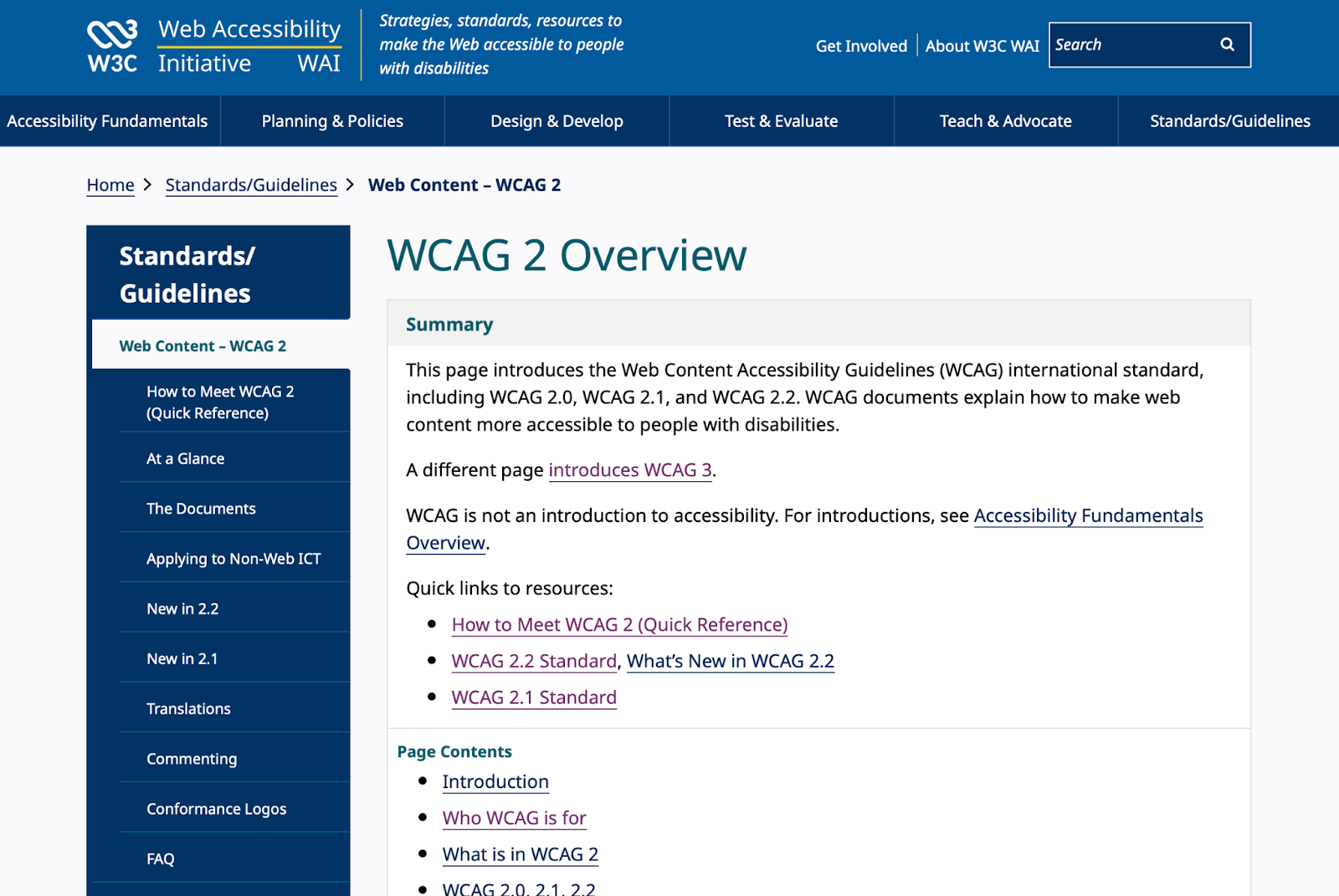
- Provide captions, transcripts, readable contrast for slides aligned with WCAG accessibility standards.
- Invite diverse voices as speakers, facilitators, Q&A moderators, etc.
- Design for different interaction styles: Chat, polls, small-group breakouts, even 1:1 networking
- Share agendas and materials in advance to help introverts and non-native speakers prepare
When you add interactive moments, don't just sprinkle them in. Make them meaningful. Active learning (from short breakout discussions to live problem-solving) improves retention and learning outcomes. One large meta-analysis in STEM education found that active learning significantly boosts performance. The same principles apply at work.
6. Showcase the Personal and Professional Benefits💡
People weigh opportunity cost. If they take an hour for your event, what do they get back?
Learn from Brandy Hastings, SEO Strategist at SmartSites. She connects internal events directly to career advancement.
Hastings mentions, “Smart employees are always looking for growth opportunities. When you clearly articulate how an internal event will expand their network and develop new skills, you tap into their intrinsic motivation for professional development. Make the career connection explicit, and voluntary attendance follows.”
Spell out the benefits in plain language:
- Skills: What will they learn that they can use next week?
- Visibility: Who will they meet? Who will see their ideas or questions?
- Access: Will they hear how leadership is thinking and why change is happening?
- Mobility: How does this tie to internal job paths or stretch projects?
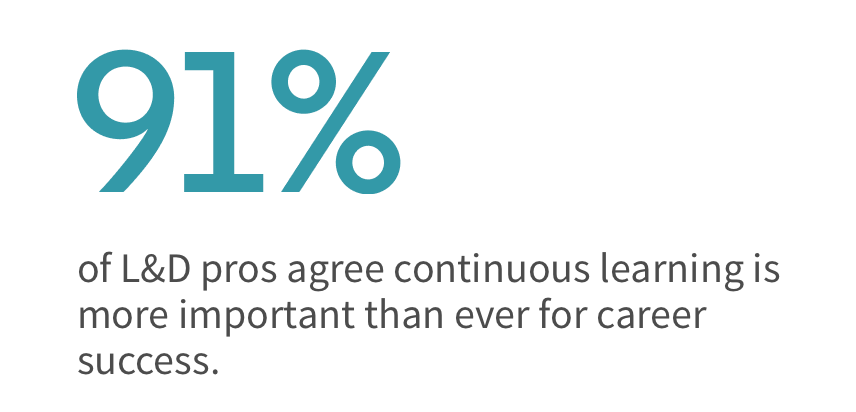
According to LinkedIn's Workplace Learning Report, learning opportunities are a top reason people join and stay with companies. Over 90% of of L&D professionals believe that continuous learning is vital for career success. When you frame events as part of that growth journey, you meet a real need.
Networking matters, too. Even brief cross-team connections can spark ideas and open doors. The "strength of weak ties" effect (those looser connections beyond our immediate circle) has been shown to help people discover opportunities.
Sprinkle in quick testimonials. Two sentences from a peer about how they used a tactic from last month's session to solve a real problem is worth more than a glossy poster. Keep it specific, short, simple, and real.
Kicking Employee Buy-In and Participation Up a Notch
You can boost buy-in and participation without dangling incentives. To wrap up:
- Start with audience insight and an event story that connects to purpose.
- Use the channels people actually watch and the voices they trust.
- Design with inclusion in mind so everyone can participate comfortably
- Make the career value obvious.
- Keep the flywheel turning with tight feedback loops.
However, expect more personalization down the road: Segmented invites, tailored agendas, more hybrid and asynchronous options, as well as more peer-led formats that feel like community rather than broadcasts.
If you keep listening, keep acting, keep iterating, and keep telling a clear human story about why your event matters, employees won't need incentives. Ultimately, they'll need a seat right off the bat! Confetti can help make your internal marketing event successful through a wide range of team-building activities. Get in touch with them today!