


.png)



Something shifted in how companies think about team building. We're in 2026, and organizations are finally ditching the mandatory fun approach. Instead, they're asking a radical question:
What if we let teams choose what they actually want to do?
The concept itself isn't complicated. You give teams a menu of options and let them pick. Maybe some creative workshops, wellness sessions, learning opportunities, or just good old-fashioned games!
When people have a say in how they spend their time, they tend to show up differently. They're more present and more willing to participate. They leave feeling like their afternoon wasn't hijacked by corporate mandates.
This isn't about being soft or accommodating. It's about recognizing that a remote engineering team facing deadlines probably doesn't want the same activity as the sales team celebrating a big quarter.
This page tackles what you need to know about choice-based participation in 2026. Read on to learn how to boost your employee engagement by letting your team pick their preferred activities.
The Importance of Employee Engagement and How Choice-Based Participation Helps
We keep talking about engagement because it matters: For productivity, for keeping good people around, for getting new ideas flowing. When employees care about their work and their colleagues, everything else tends to improve, too. That’s why it’s essential to keep up with employee engagement trends, such as offering choice-based participation.
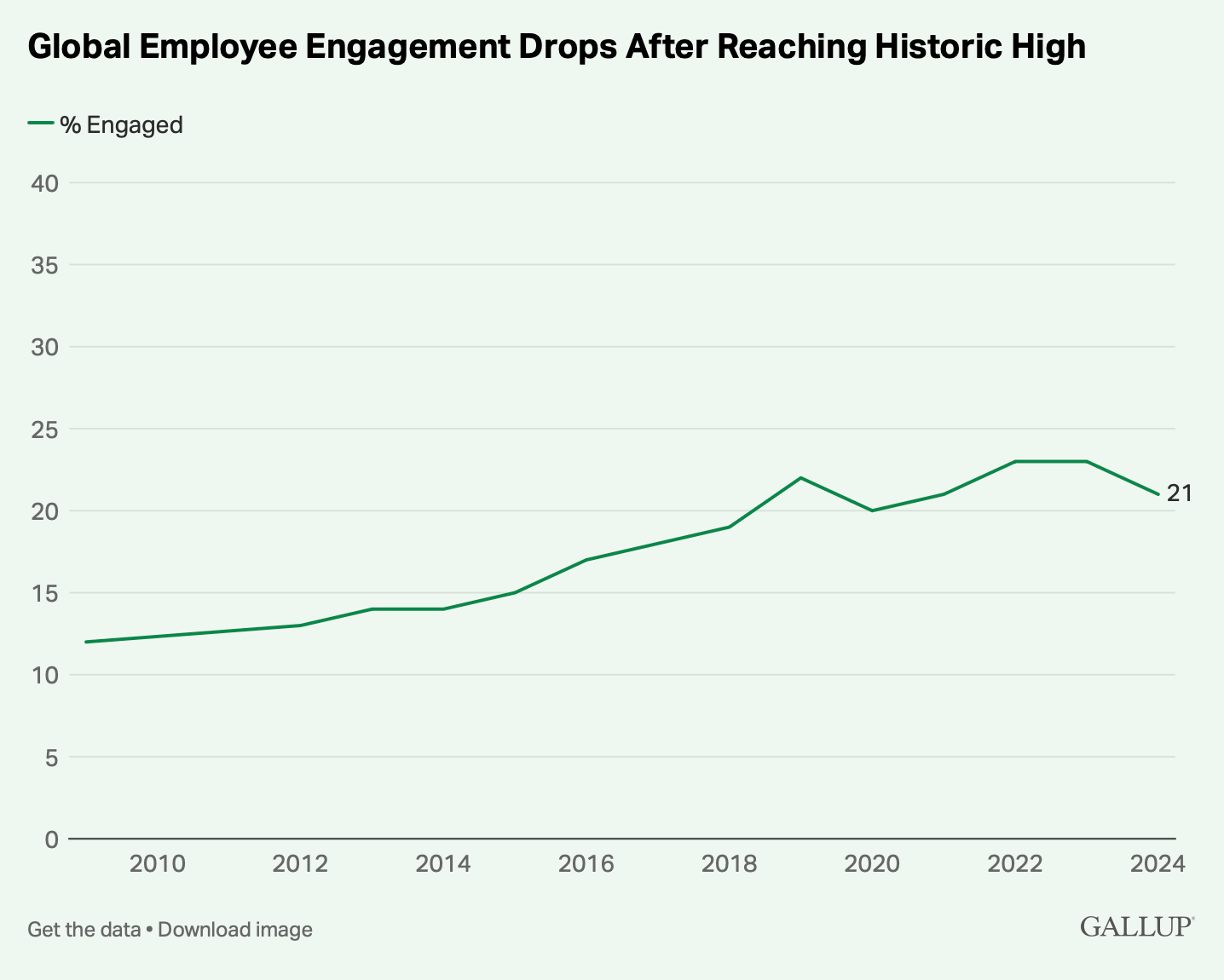
Gallup's research paints a pretty stark picture: A little over one in five employees worldwide are actually engaged at work. But here's what's interesting: The highly engaged teams outperform others by significant margins. We're talking 23% higher profitability, better customer ratings, and lower turnover. The data from Gallup's workplace studies show these aren't small differences.
The problem with traditional engagement programs? They assume everyone wants the same thing. That quarterly scavenger hunt might work great for your outgoing marketing team, but your introverted developers might prefer something else entirely. When you force everyone into the same mold, you get polite participation at best.
How Choice-based participation enhances engagement
There's solid psychology behind why choice matters.
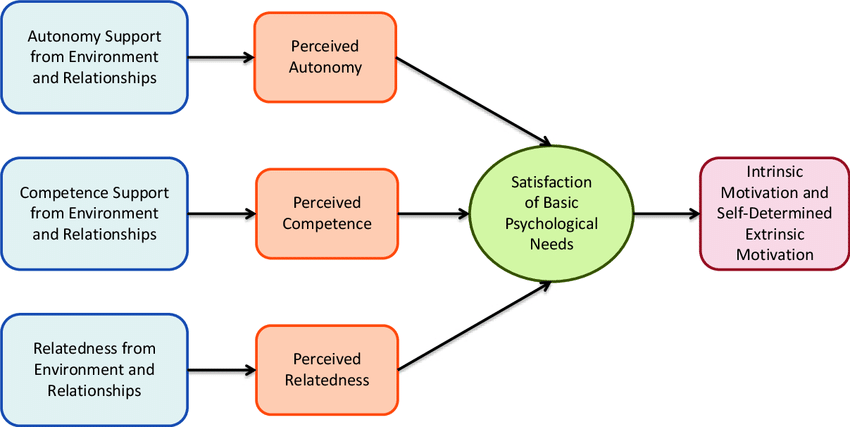
Self-determination theory (SDT) is one of those frameworks that's been tested and retested. This theory shows that when people have autonomy, they're more motivated, they perform better, and they feel better about their work. Meta-analyses from researchers like Patall, Cooper, and Robinson back this up across different settings.
Brandy Hastings, SEO Strategist at SmartSites, recommends offering choice-based participation for employee engagement. She believes that providing options makes workers want to participate more.
Hastings says, "When employees pick their own activities, something clicks. They feel ownership in a way that mandatory events never create. You see it in how they participate…they're actually there, not just physically present. And that carries over into how they work together afterward."
Here's what this looks like in real companies:
- Some teams go for micro-learning workshops while others choose social mixers or volunteer projects.
- Distributed teams get async options, maybe a self-paced challenge with a quick live wrap-up.
- Companies rotate who plans activities, so different voices get heard.
- In-person and remote folks can join the same activities without anyone feeling left out.
How To Implement Choice-Based Activities
Implementing choice-based activities starts with understanding what employees really want from company events and activities. The goal here is to listen, gather real preferences, provide various options, and ultimately let them pick what works for them.
With a few simple steps, you can make participation feel truly meaningful and genuinely engaging. Here’s how to implement choice-based activities:
1. Start with a quick survey
Don’t overthink this. A quick survey is the easiest way to understand what your team actually wants. It’s the foundation for designing activities that build meaningful connections in hybrid and remote teams.
Ask about format preferences (competitive or collaborative?), when people can realistically participate, what accessibility needs require, and what they hope to get out of team activities. Include an open field for ideas you may not have considered.
Take it from Shan Abbasi, Director of Business Development at PayCompass. He says, "We kept running these big all-hands events and wondering why half our people seemed to have been checked out.
Abbasi realizes, "Once we started asking teams what they wanted and letting them vote, everything changed. Our participation rates went up, sure, but more importantly, people started actually connecting during these sessions."
2. Look for patterns
Once you have responses, see what emerges. Maybe your West Coast teams want morning activities, while the East Coast prefers afternoon. Maybe engineers gravitate toward problem-solving while sales want social time. Note what nobody wants, as that's equally valuable!
Patterns give you clarity, and clarity makes planning easier. When you understand these preference clusters, you can design activities that feel intentional rather than random. It also helps you avoid wasting time on formats that consistently fall flat, no matter how much you want them to work.
3. Build your menu
Aim for variety without going overboard. Six to ten solid options usually work. Mix it up: something creative, something active, something intellectual, something social, something skill-focused, something relaxing. Include both quick 30-minute options and longer sessions for teams with more time.
Samuel Charmetant, Founder at ArtMajeur by YourArt, suggests providing DEI options. He believes that your clustered choices for engagement activities must be diverse, equitable, and inclusive.
Charmetant explains, “A strong activity menu isn’t just about variety; It’s about inclusivity. When your options reflect different backgrounds, abilities, and preferences, more people feel seen and willing to engage. DEI is what makes participation meaningful for everyone.”
4. Make voting simple
Let teams rank their top three choices and pick time slots that work. Be transparent about the timeline, such as when voting closes, when activities happen. Nobody likes uncertainty.
The simpler the process, the higher the participation. A quick Google Form or built-in platform poll can do the job as long as it’s clear and easy to complete.
For example, some companies use a one-page ballot where teams rank options and immediately see available time slots, removing guesswork and making the whole process feel effortless.
5. Handle the logistics
Book your facilitators, prep materials, double-check accessibility. For global teams, you might need duplicate sessions or async alternatives. Send calendar invites early and follow up with casual reminders, not corporate demands.
Smooth logistics make the experience feel intentional rather than chaotic. Create a simple checklist so nothing slips through the cracks, especially when coordinating across time zones.
For example, some companies run the same activity twice in a day (once APAC-friendly, once US-friendly) and provide a short recap video for anyone who can only join asynchronously.
6. Use tools and resources
The right tech makes this initiative manageable, especially now that AI transforms the workplace culture and streamlines tasks that once took hours. Nobody wants to turn HR into full-time event planners, and good platforms can handle surveys, voting, scheduling, and feedback without adding bureaucracy.
Ken Chartrand, CEO of Encore Business Solutions, recommends leveraging digital tools and technologies for employee engagement activities. “The tools exist now to make this scalable. You can collect preferences, coordinate logistics, and measure results without adding hours to anyone's plate. That's usually what stops companies, thinking it'll be too much work."
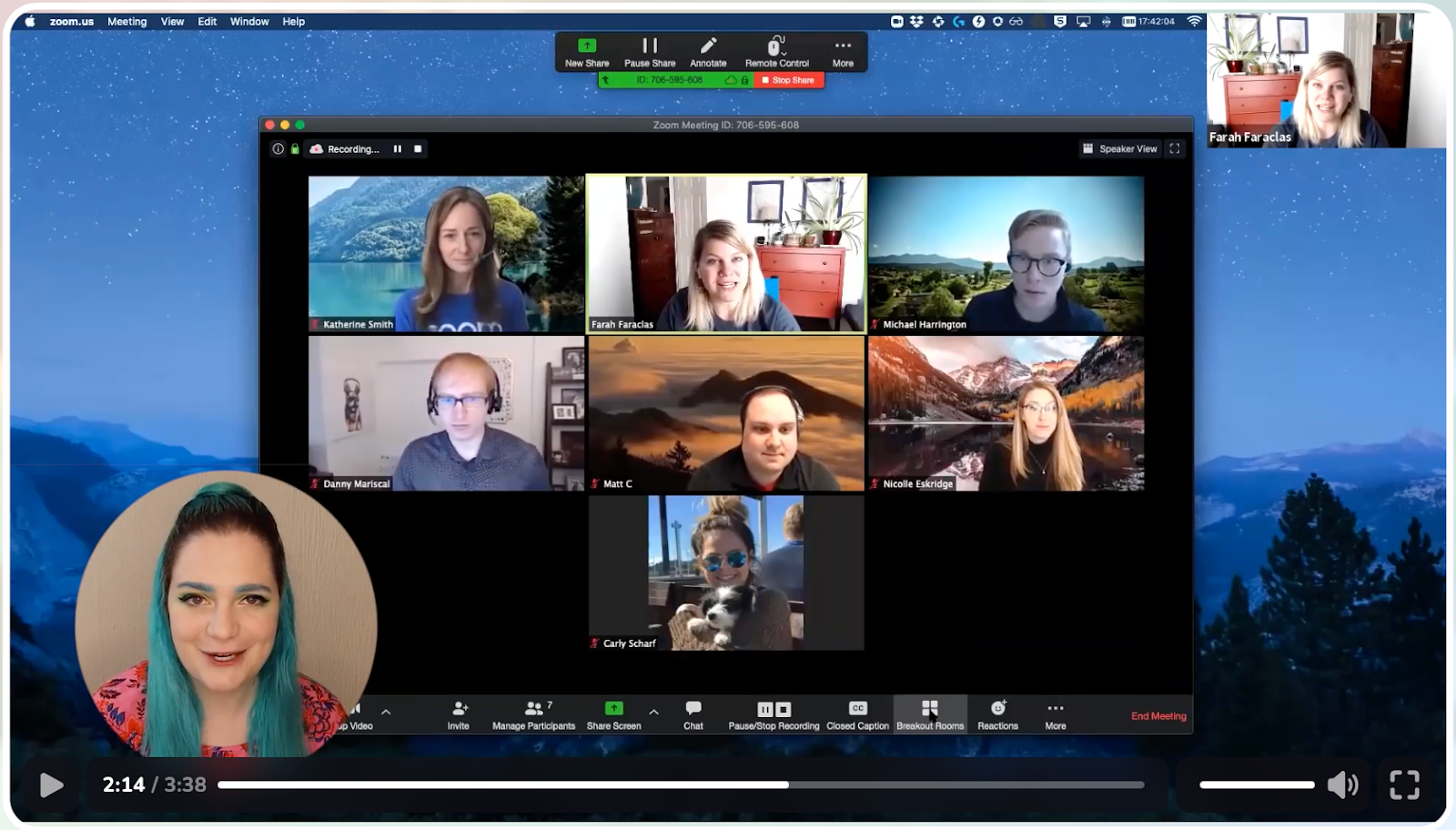
If you're shopping for platforms, look for straightforward interfaces, analytics that actually tell you something useful, scheduling that respects time zones, accessibility features, and simple feedback collection. Companies like withconfetti.com offer pre-built experiences with professional hosts, which takes even more off your plate (see below).
Potential Challenges (+Solutions) in Choice-based Participation
Even the best employee engagement or team-building activities hit a few bumps, especially when choice enters the picture.
Budgets, schedules, and participation don’t always line up. And it’s worth saying upfront: You’ll never make everyone happy. Teams have different roles, personalities, and priorities. That’s completely normal!
The goal isn’t to please everyone. It’s to reduce friction. Giving people choices helps. Even if an option isn’t someone’s top pick, having a say feels better than being told what to do. Choice shifts engagement from obligation to ownership.
Thinking through these challenges ahead of time helps your choice-based program run smoothly without overwhelming teams. Here are common challenges and some viable solutions:
- Money's tight. Create cost tiers and rotate through them. Mix expensive options with free internal skill-shares. Get creative: Negotiate package deals, use virtual formats to cut venue costs, tap your own experts before hiring outside facilitators.
- Schedules become nightmares. Offer multiple time slots for popular activities. Rotate "prime time" fairly across regions. Keep most activities under an hour so they're easier to fit in. Always have an async backup plan.
- People aren't participating. Refresh your options regularly. Let teams nominate new activities. Start with small pilot groups before rolling out widely. Add small touches that make it special, like public recognition, team photos, maybe a coffee stipend, without turning it into a rewards program.
Learn from Tom Rockwell, CEO of Concrete Tools Direct. As far as employee engagement is concerned, he has his fair share of experience with the challenges above.
Rockwell shares, "Budget worries almost killed our program before it started. But we got creative: tiered activities, local partnerships, hybrid formats. Start small, see what resonates, then build from there."
Final Note: The Future of Choice-Based Participation
The choice-based participation approach works because it matches how teams actually function now: Spread out, diverse, tired of being told what's supposed to be fun.
The research from Gallup and work on STD backs up what companies are discovering: When you give people meaningful choices about how they connect and learn together, they actually want to participate.
The tech will keep getting better. We'll see smarter recommendations based on team preferences, better calendar integration, more sophisticated analytics. But the core idea stays simple: Respect people's time and preferences, make participation easy, trust teams to know what they need.
Want to try this approach? Start small. Run a quick survey with your team. Offer a few solid options. See what happens. You don't need a perfect system on day one. You just need to start listening to what your teams actually want and then give them the chance to choose.
If you’re looking for various employee engagement activities, check out Confetti's virtual team building options. Then, let your team members choose what works for them. Finally, book a demo today to get started!