


.png)



The office used to do a lot of heavy lifting without anyone noticing.
You showed up, sat near your team, overheard things you weren’t supposed to hear, and somehow stayed updated. Culture wasn’t designed. It just… happened.
That doesn’t exist anymore.
Now people log in from different cities and sometimes different time zones. Nothing carries itself. If you don’t build it, it doesn’t show up.
That’s the shift most teams underestimate. Remote work isn’t just a location change. It removes all the invisible glue that used to hold things together.
So now you have to replace it. Intentionally. Here’s how.
Understanding Company Culture in a Remote Setting 📡
Culture has always been important in an office, but a lot of that gets masked by proximity. Remotely, it doesn’t.
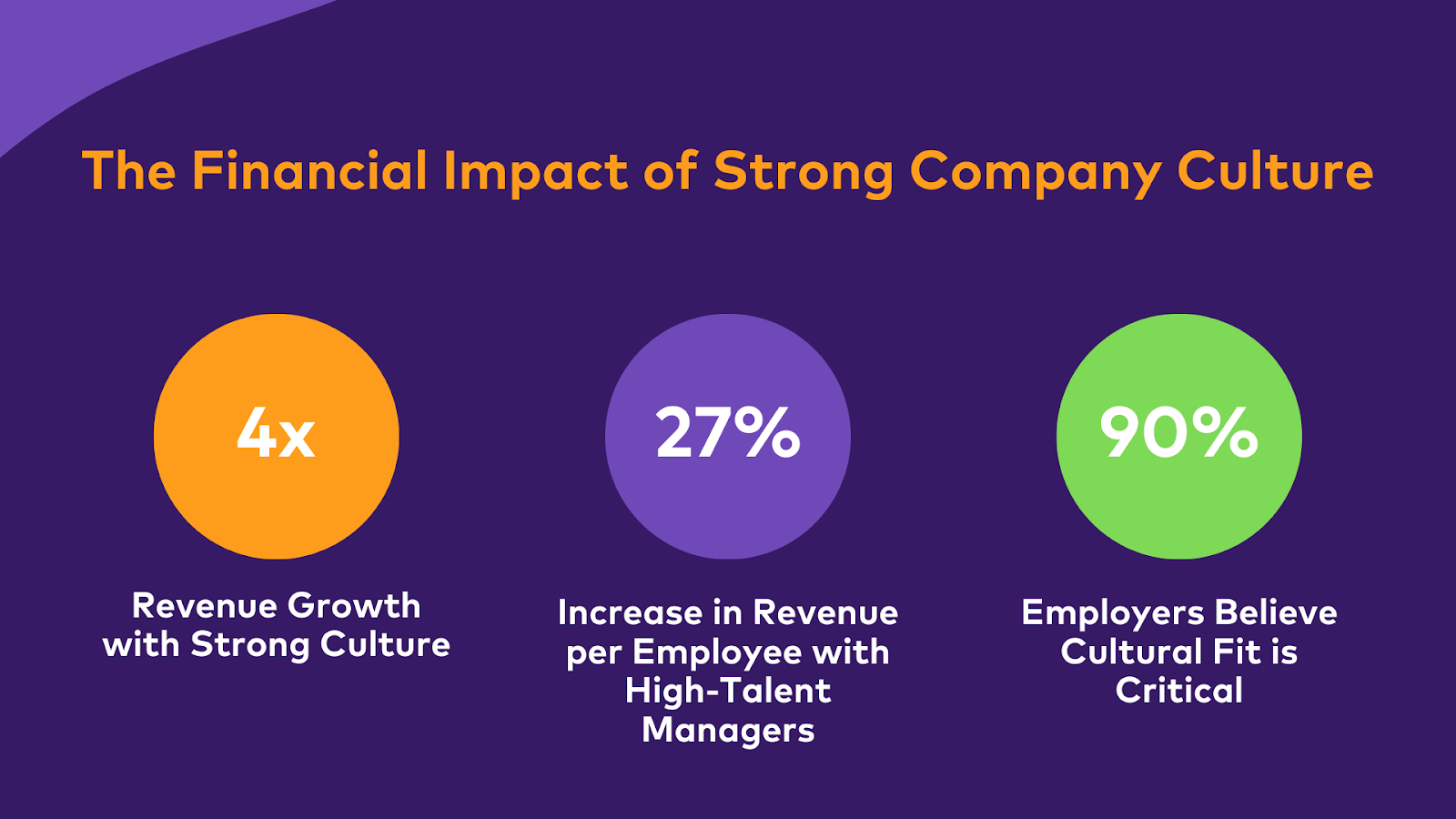
And a few things break pretty quickly:
- Tone gets misread. A short Slack message can feel sharper than it was meant to be. A smile emoticon can be read as passive aggression, a phenomenon that is now being studied.
- People drift. If you’re not in the room, you’re not in the conversation.
- New hires struggle. There’s no “sit next to someone and pick it up.”
- Documentation goes from “nice to have” to “if this isn’t written down, it doesn’t exist.”
Samuel Charmetant, Founder of ArtMajeur, runs a global platform with contributors and collaborators spread across different regions, where clarity has to travel without context.
He says, “When your team isn’t in the same place, memory becomes unreliable. Someone joins a conversation halfway through and misses the reasoning behind a decision. We started documenting not just what we decided, but why. That made onboarding easier and reduced repeated debates. Otherwise, you keep solving the same problem every few months.”
Also, this one shows up more than people expect, loneliness becomes real.
Disengagement gets worse over time.
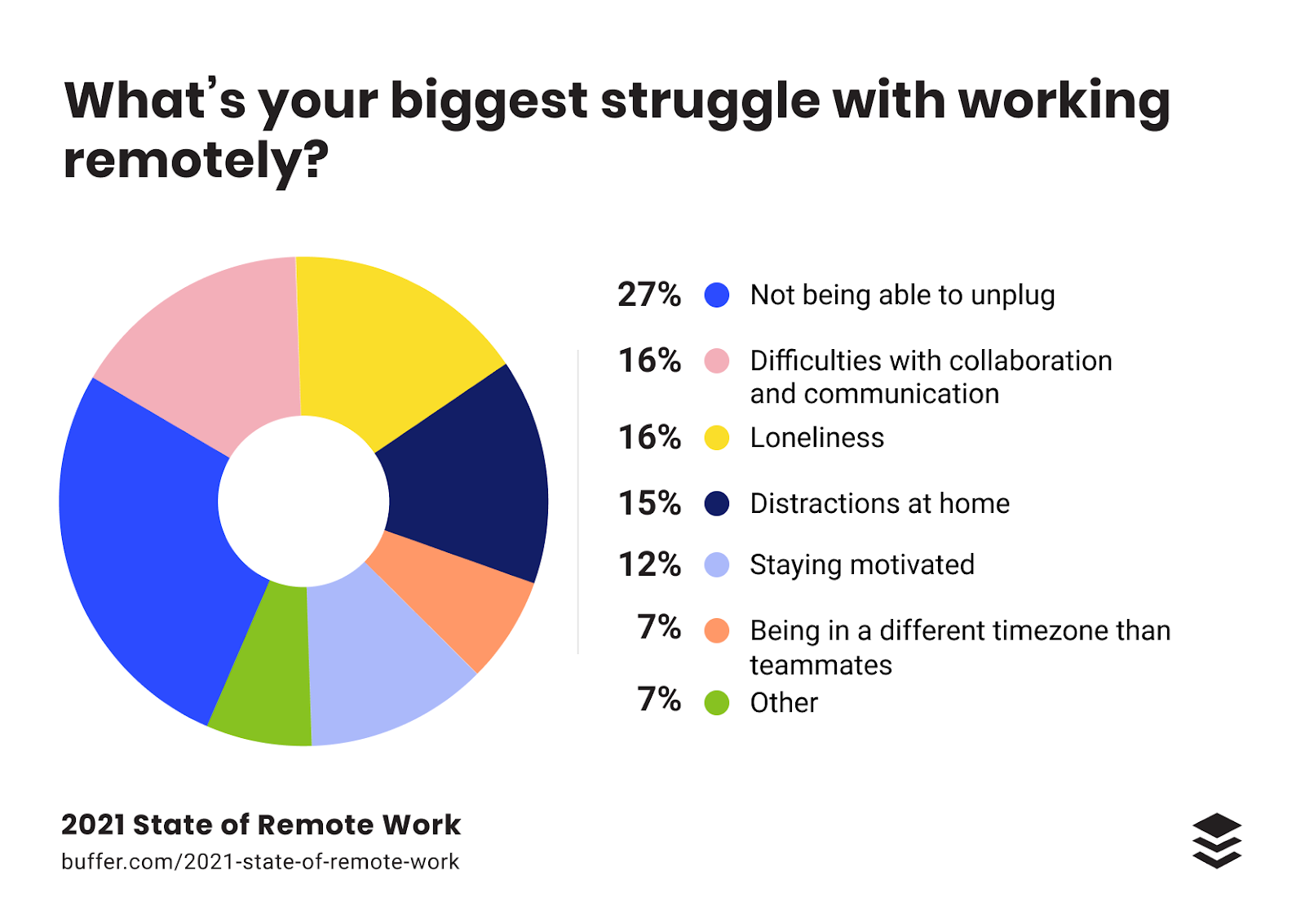
If you don’t design for connection, you end up with a team that works… but doesn’t really feel like a team.
How To Build Trust and Communication 🤝
If trust is off, everything slows down. People reread messages. Decisions drag.
When trust is working, it’s the opposite. You get speed. People ask for help early. Most teams say “communicate more.” The problem is how.
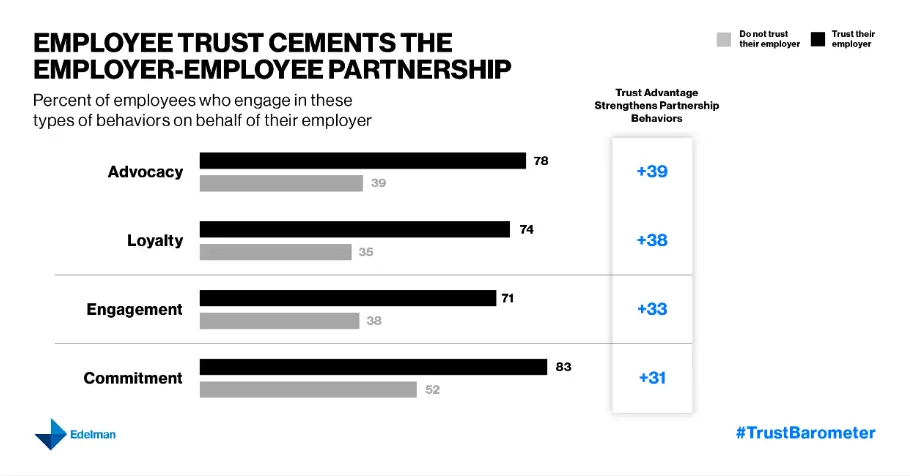
Eric Yohay, CEO & Founder of Outbound Consulting, spends most of his time fixing communication breakdowns in distributed teams, where small misunderstandings compound quickly.
He says, “Most remote communication issues aren’t about volume, they’re about ambiguity. We started reinforcing clarity: what’s the outcome, what’s the deadline, what does ‘done’ look like, and it cut a lot of unnecessary back-and-forth. People don’t need more messages. They need fewer, clearer ones.”
Start with this to build a culture of trust:
- Tools need roles. If everything happens everywhere, nothing is clear. Slack (or Teams) for quick decisions. Docs for anything that needs to last. Calls only when necessary. Not everything deserves a meeting.
- Write things down. Otherwise, every new person asks the same question and gets a slightly different answer.
- Default to async, but don’t hide behind it. Async works great, until something gets sensitive or messy. Then you talk. Live. A Loom can explain a process. It can’t fix the tension between two people.
Celebrate wins in public. That’s how they would take place in office, wouldn’t they? If everything lives in DMs, you lose shared context fast. And that standing ovation in Slack after a successful client call always feels great.
How To Foster Social Interaction in Remote Offices ☕
You can’t recreate office banter exactly. Don’t try.
What actually works is smaller and more regular.
Ryan Beattie, Director of Business Development at UK SARMs, has spent years managing remote-first teams where forced engagement tends to backfire quickly.
He says, “We tried doing these big monthly team socials early on, and people just didn’t show up. It felt like another meeting. What worked better was smaller, low-pressure stuff, pairing people randomly for short chats or having a space where people could just drop in and talk about anything.”
- A 15-minute coffee chat where two people who have never interacted get paired.
- A quick “show something you care about” session on Fridays.
- A channel where people post random stuff without it feeling like they’re wasting time.
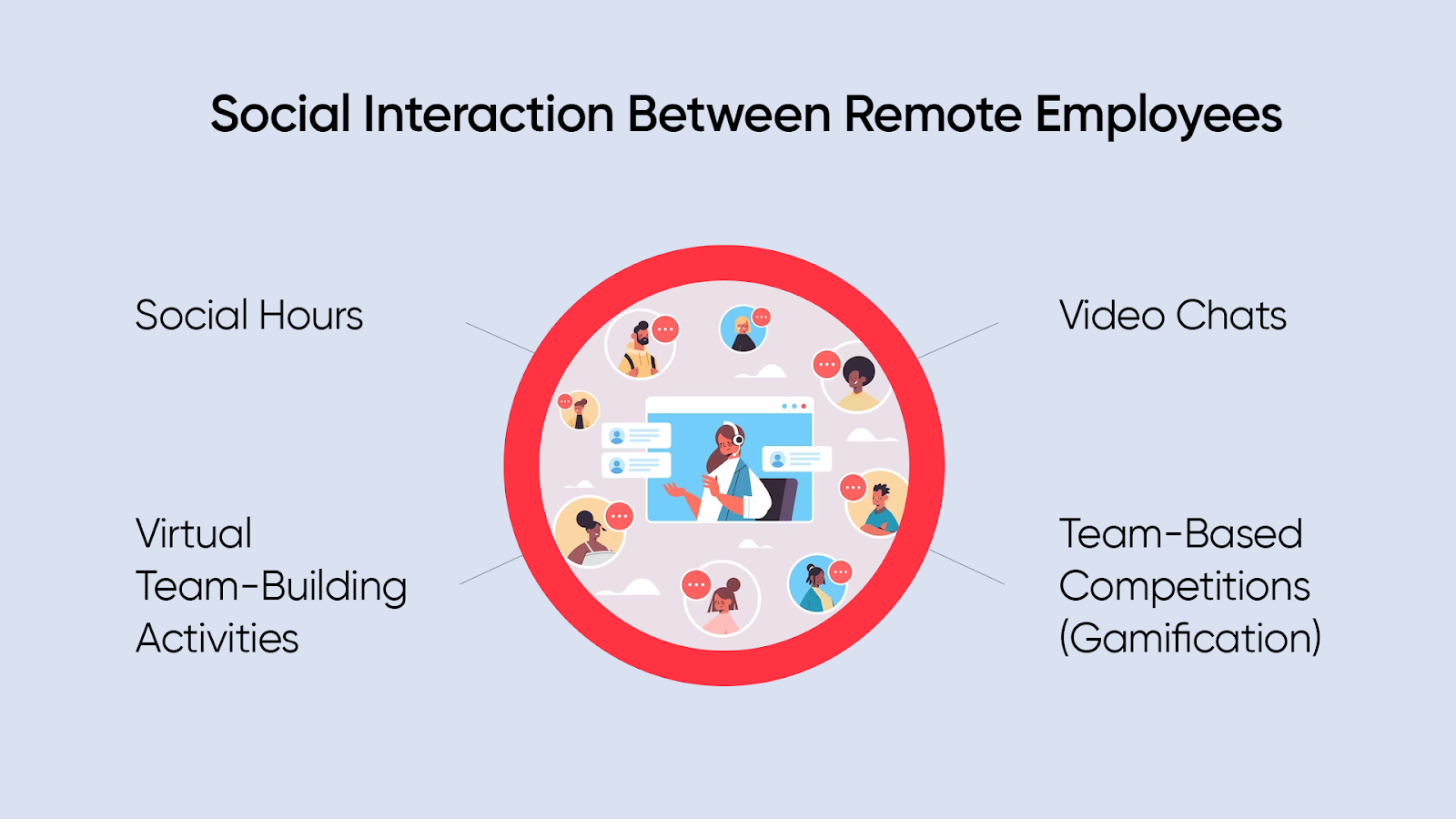
Keep it light. Keep it optional. Optional is key here, as the first rule of banter is that it just happens. You can’t just schedule it.
How to Set Great Company Values 🎯
Most teams have values. Few teams use them.
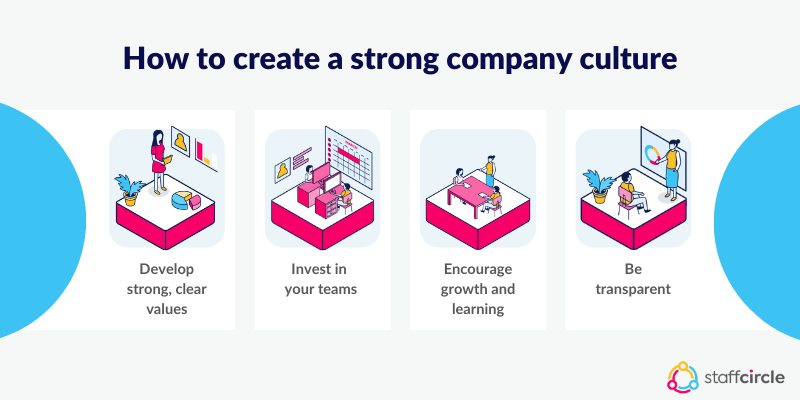
If someone’s working independently and hits a tradeoff, values should help them decide. So make them usable:
- Tie them to real decisions. “We chose X because it aligns with Y.”
- Call them out in meetings, but only when they’re relevant. Not as a ritual.
- Share examples where they held up under pressure, not just when things were easy
If values don’t show up in hard decisions, people stop taking them seriously.
How To Promote Professional Growth and Development 🧠
One of the fastest ways to lose people remotely is to make their work feel static. If everything is just tasks and deadlines, people check out.
Jeffrey Zhou, CEO and Founder of Fig Loans, oversees a team in which long-term engagement hinges on employees seeing clear personal progress, not just output.
He says, “If someone’s work is just a queue of tasks, they’ll do the work, but they won’t stay invested. We had to make growth visible: what skills are you building, what decisions are you starting to own, how does your role expand over time? Once people can see that progression, their mindset changes.”
A few things that actually work:
- Let people pick what they want to learn. Give them a budget and get out of the way.
- Run internal sessions where teammates teach something practical, not polished, just useful.
- Record everything so knowledge compounds instead of disappearing.
- Mentorship helps more than formal programs. Pair people across teams. Let them talk about how things actually work.
If someone can’t see where they’re going, they’ll start looking elsewhere.
Encouraging Diversity and Inclusion 🌍
Remote work gives you access to better talent. That part’s obvious.
What’s less obvious is that inclusion doesn’t happen automatically just because people are distributed.
You still have to design for it. Meetings are a good example.
Nick Wiese, Regional Vice President at Priority One Heating & Air Conditioning, manages teams across different locations where participation gaps show up quickly if not addressed.
He says, “We noticed early that the same people were leading every discussion, even in remote meetings. So we started structuring meetings differently, asking for input in rounds, giving people time to think before responding. Once you change the format, you hear from people who were always paying attention but never jumping in.”
So:
- Share agendas early so people can think before speaking
- Make space for input instead of waiting for interruptions
- Rotate meeting times so the same region isn’t always inconvenienced
Also (small detail, big impact), acknowledge different holidays and norms. It signals awareness.
Building Culture Without Walls 🧩
You don’t get culture for free anymore. That’s the whole point.
You build it through how you communicate, what you document, what you ignore, and what you reward. It shows up in small decisions more than big ones.
For practical ways to bring your team together without forcing it, explore workshops and ideas from Confetti.