


.png)



Remote work went from an experiment to an everyday reality, and many teams are still figuring out how to feel like… well, a team.
The traditional fix was to schedule more together time on Zoom. A virtual happy hour here, a team trivia night there, a quarterly retreat that costs three times what anyone budgeted. And sometimes those things work.
But when your team is already stretched across time zones and back-to-back calls, another calendar invite only feels like more work. And they will run away from it. That explains why over 8% teams have difficulties with collaboration and communication.
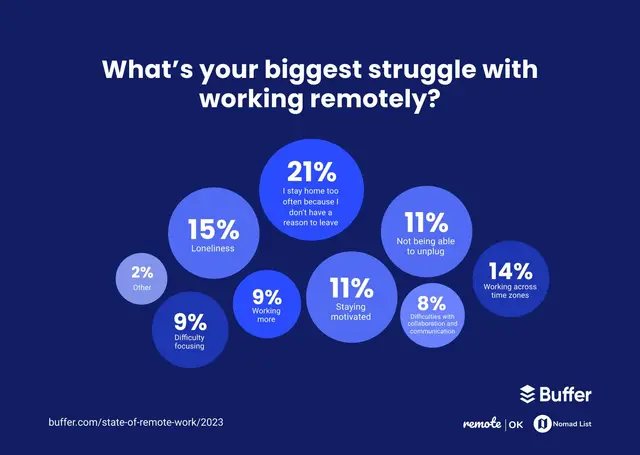
So, the problem isn't that your people don't want to connect. It's that your standard fixes treat connection like a scheduled event instead of something you build slowly, in the small spaces between everything else.
In this article, we’ll show you how to avoid that and truly build a team that feels connected without forced fun.
What Is Remote Work Culture all About?
Remote work culture is how your team communicates, collaborates, and takes care of each other when you're not in the same building.
A good culture lives in small decisions, such as how you open a meeting, how quickly you respond, and whether people feel comfortable saying they're overwhelmed.
And no, it's not about swag boxes or a Slack channel full of GIFs. Those are more flashy than helpful.
What matters is the shared rhythm that keeps work human when everyone is on a different schedule, in a different city, or starting their day five hours apart.
Why do Remote Connections Break Down?
Connection breakdown often starts subtly. Your people go quiet, cameras stay off, unlike in the past, and messages take longer to come back. The energy that was there slowly disappears, and by the time you notice it, it's already been gone for a while.
That slow fade is worth taking seriously because:
- Isolation spreads fast. One person feeling disconnected rarely stays one person. It moves through a team without anyone naming it until the whole dynamic has already shifted
- Low trust kills output. People take fewer risks and share fewer ideas when they don't feel psychologically safe with the colleagues they work alongside every day
- Quiet exits are expensive. Turnover doesn't usually announce itself. It happens over months of disengagement before anyone actually resigns
Research by Jeremy Bailenson, founding director of the Stanford Virtual Human Interaction Lab, found that video calls produce a distinct kind of cognitive overload where your teams have to manage nonverbal cues on screen, which requires significantly more mental effort than an in-person conversation.
If your response to a disconnected team is to add more Zoom time, you may be making the problem worse rather than fixing it.
5 Ways to Build Real Connection on a Remote Team
You don't need a culture committee or a catered Zoom party for this. You need smaller, smarter habits that make connection easy to access without requiring everyone to show up and perform enthusiasm on cue.
Here’s how to do that.
Audit Your Current Touchpoints First
Before you add anything new, map what already exists. Look at your onboarding flow, your meeting openings, your async channels, and your post-project check-ins. Ask yourself where attention naturally gathers and where people tend to drop off.
Sixin Zhou, Marketing Manager at LDShop, a global gaming top-up platform serving players across dozens of markets, runs into this constantly.
“Operating with a distributed support and product team makes every touchpoint matter even more. You need to go through each step of the journey and ask what's actually happening in those small windows of attention,” Sixin says. “Once you've mapped things out, study the patterns. You'll likely find friction where you weren't expecting it, and missed chances to ask one simple question or offer one clear next step. That's exactly where the connection work starts.”
Spread Moments Out Instead of Stacking Them
One big social event per quarter puts pressure on your team members, since they have to prepare more, look their best, set their calendars in advance, and stay mentally prepared. On the other hand, small moments spread across weeks build familiarity. It helps you build minute touches that accumulate over time and don't feel like an obligation.
It’s just as Wade O'Shea, Founder of BusCharter.com.au, Australia's leading bus hire service operating across more than 1,500 towns and cities, and coordinating multiple cross-location staff, says.
“Keeping people connected comes down to sequencing rather than stacking. Instead of relying on a single big check-in, use smaller, more regular touchpoints to keep the team aligned without turning anyone's calendar into a wall of obligations. Each small touch builds on the last, and that's how familiarity actually forms.”
“You can start with short async video updates to keep communication warm without requiring a shared time slot. Tools like Loom work well for this and cut down on meetings that could've been a two-minute recording.”
Rotating interest channels in Slack is another way to provide easy entry points for conversation. Bring up weekend plans, local food spots, whatever your team is currently obsessing over.
You can also suggest optional co-working blocks to recreate the background energy of being around people without forcing anyone on camera or on a script.
Make Recognition Feel Tangible
Digital recognition fades fast. A Slack shoutout disappears by the end of the day. A digital certificate that nobody prints out does nothing lasting for the person who earned it.
So, when your team hits a real milestone, make it physical. For instance, imagine a branded frame sent to someone's home after a big launch or a team milestone. It lands differently than another emoji reaction in a channel because it has weight to it, literally and otherwise.
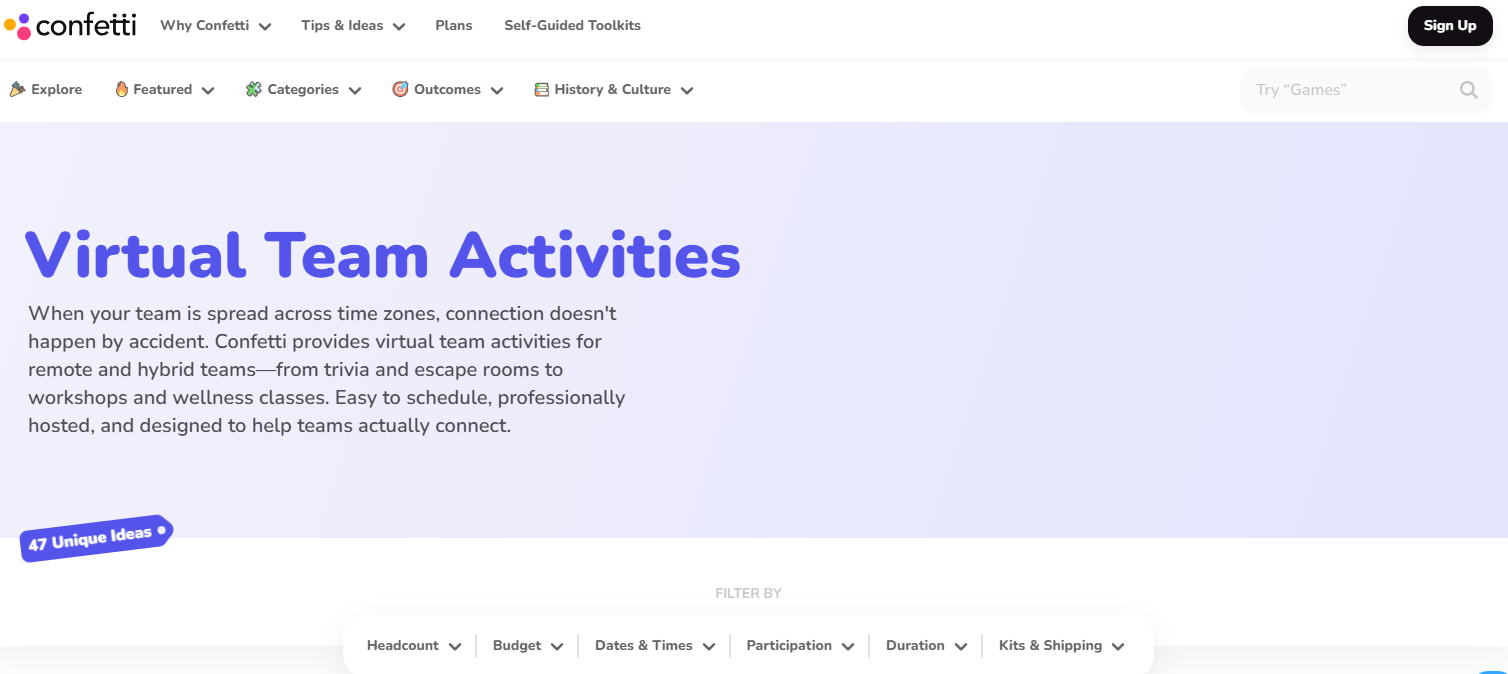
It can be anything besides frames. Talk about branded mugs, company wear, tags, and so on. And you don’t have to wait for a loud milestone. Even acing a virtual team activity should be rewarding.
Tie Health Benefits to Local Micro Groups
Health support is one of the few areas where remote teams can create a real-world connection without forcing social interaction. Instead of offering only individual stipends, group team members who live in the same city or region shared health options.
For instance, that could mean supporting access to structured care options, such as mental health treatment or therapy, for team members who need it, especially when multiple employees are based in the same area.
Or assigning two or three people to the same gym, wellness clinic, or even a shared provider for TRT therapy when relevant to individual needs.
That shared access creates a subtle support network where people know they are not navigating stress alone, even in a remote setup, and fosters healthy team relationships.
Build Leadership Habits That Set the Tone
Culture is how your leaders behave when no one's watching. In a remote setting, that matters more because every message, every meeting opening, and every response time from your end becomes a norm for the rest of the team.
That’s why you should train your managers to set the team model you want. Provide leadership training courses, as needed, to equip them in team communication, cohesion, and icebreakers.
Your managers should also be able to set a clear async expectation, such as a 24-hour reply window for non-urgent messages, so silence isn't read as urgency. And encourage them to show up to optional social spaces sometimes, not to run them, but to signal that those spaces are real and worth someone's time.
Conclusion
Remote culture doesn't break because your people don't want to connect. It breaks when the connection only gets attention on a scheduled Friday afternoon and never in the spaces between.
Solve that by picking one habit this week, for instance, a rotating Slack sub-channel, a short async video instead of a meeting, or a recognition gesture that actually sticks.
Our full guide to virtual team building is built for exactly this kind of low-friction structure if you want somewhere to start.