


.png)



Most company holiday parties are a hostage situation with cheese plates. Attendance is technically good, but nobody would call it a success.
The format is the problem. Pew Research confirms more people are primarily working from home than pre-pandemic. Gallup calls remote work persistent and trending permanent.
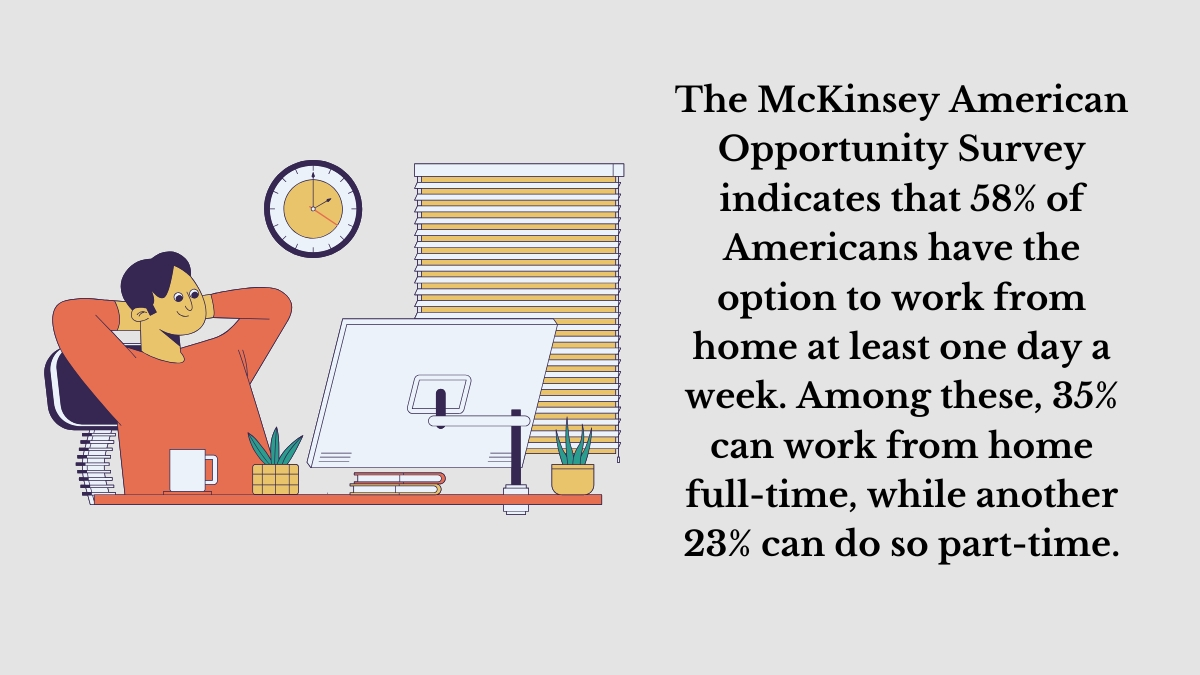
McKinsey's American Opportunity Survey shows that over half of employees can work from home at least part-time and want to keep that choice.
Designing a party around one mandatory evening, for a workforce that no longer operates that way, is a mismatch you can feel in the room.
The fix is simpler than you'd expect. Here's what drop-in holiday parties are, why they work, and how to run one.
🚪What Drop-In Actually Means
You open a window. Two to six hours is typical. People arrive when they can and leave when they need to. Food and activities stay available the whole time, not just for the fifteen minutes before someone gives a speech.
That's it. That's the format.
The reason it works is the same reason open houses work in real estate: people behave differently when they're not trapped. When attending is optional, the people who show up actually want to be there. Presence becomes a signal rather than compliance.
Practically, this means a parent can stop by for forty-five minutes between school pickup and dinner.
Someone on a deadline can come early, eat something real, talk to three colleagues they like, and leave without guilt.
Ryan Beattie, Director of Business Development at UK SARMs, supplies performance supplements to athletes and fitness-focused customers who treat their time as a finite resource.
Beattie explains, "Our team isn't sitting at desks waiting for a calendar invite. Everyone's training, everyone's accountable to their own schedule. When we switched to a drop-in format, the whole dynamic shifted. People actually showed up, stayed longer than expected, and nobody spent the evening watching the clock."
Microsoft's Work Trend Index makes the underlying point: most workers want flexible remote options and value regular opportunities to connect with teammates. They want both. A drop-in party is, structurally, both.
🎭 The Myth of the Defining Moment
There's a fear that if everyone doesn't arrive at the same time, you lose the collective experience. That, without the shared toast or the big reveal, you've just got a long catered lunch.
This is worth pushing back on directly.
Forced simultaneity doesn't create a connection. It creates the performance of connection.
When you make everyone arrive at 7 pm, what you've actually done is ensure that half the room is thinking about where they'd rather be. The conversations that actually land happen in smaller configurations, when someone has thirty seconds of genuine attention to give.
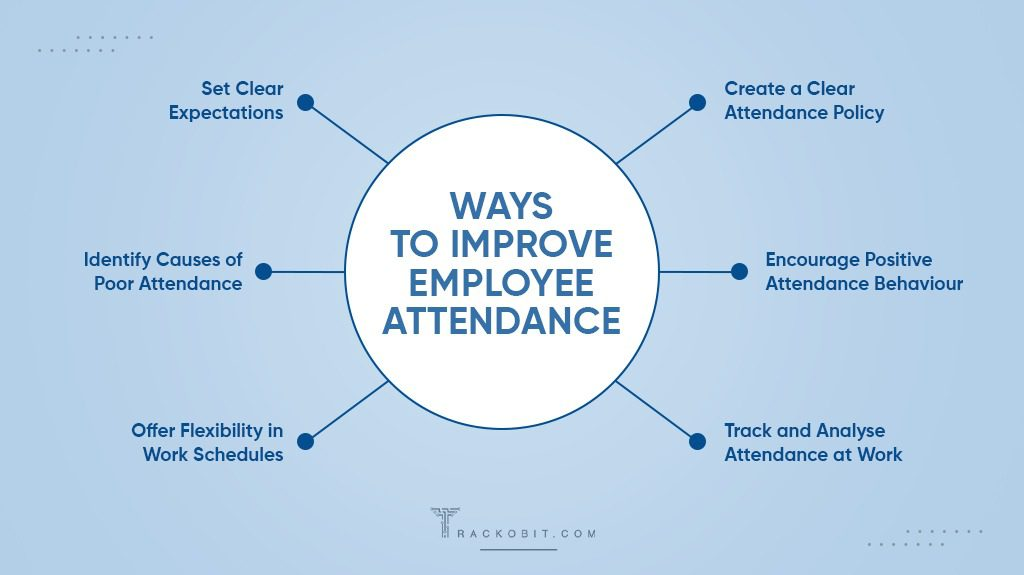
A well-designed drop-in has optional anchors:
- A 15-minute toast at 3 pm and again at 5 pm.
- A giving-tree presentation that people can wander toward.
- A quick holiday trivia round that restarts every half hour, so nobody's locked out.
Ryan Walton, Program Ambassador of The Anonymous Project, builds community engagement programs rooted in voluntary participation rather than obligation.
Walton shares, “Genuine connection doesn't happen on a schedule. What we've found, both in charity work and in how we run our own team events, is that when you give people a real choice about how and when to show up, the quality of engagement goes up completely. The people who are there want to be there, and that changes everything about the room."
Let the people who want structure plan around it, without making everyone perform attendance at the same time.
🎨 How the Actual Design Works
The physical setup doesn't require overthinking. You need zones, not a program:
- A beverage station that runs continuously
- A photo area that resets itself
- Actual seating, not just high-tops that make everyone stand for two hours
- Bite-sized food at stations refreshed in waves, the 4 pm arrivals shouldn't be eating cold leftovers
- Everything labeled for dietary needs. Obvious. Consistently under-executed.
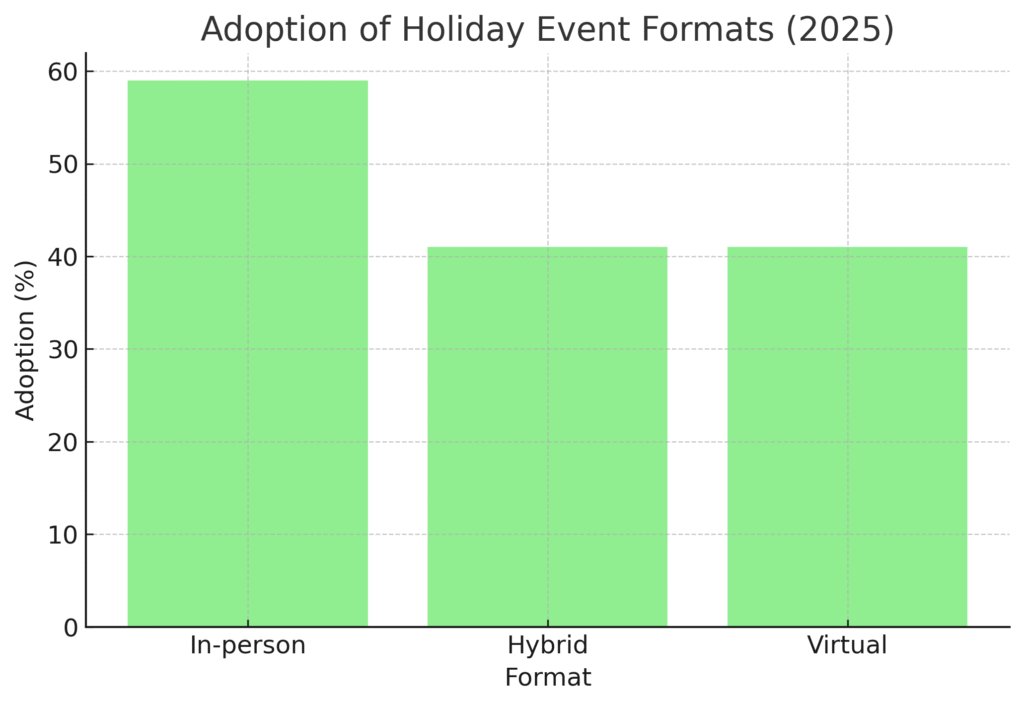
For distributed teams, the virtual component needs the same care as the physical one. Not just a Zoom link.
A dedicated video room, a host present at set intervals, and digital activities that work asynchronously, with a collaborative playlist, a holiday photo channel, and a meme contest.
Something people can participate in before, during, or after the window.
SHRM's guidance on inclusive holiday celebrations is worth reading before you finalize anything, including different holidays, dietary restrictions, alcohol preferences, and scheduling constraints your planning team probably didn't think of.
🔧 Solving the Practical Problems
Here are a few problems you may run into.
- Headcount and catering: Order in waves. Track RSVP ranges rather than fixed numbers. Choose catering formats that flex without waste.
- Remote as an afterthought: Budget for it. That means stipends, shippable kits, or, at a minimum, a clearly resourced virtual experience.
- Alcohol. Clear guidelines matter, non-alcoholic options need to be prominent and good, and someone needs to think about what an open bar actually looks like when there's no clear endpoint.
- Measuring whether it worked. A two-minute anonymous survey the next day tells you more than any head count. Did people feel included? Would they come again? What would they change? It also tells you what to build on next year, which is more valuable than almost anything else.
Mike Miller, General Manager of Elkhorn Heating, runs a field services team that operates across staggered shifts year-round.
Miller notes, “A sit-down dinner at 7 pm was never going to work for us. Half the crew is wrapping up a job, and the other half started at 5 am. The drop-in format was the first time we actually got the whole team together for an end-of-year celebration. People came when they could, stayed as long as they wanted, and nobody had to miss it because of a shift."
💡The Bit Nobody Says Out Loud
Your team is already managing flexible schedules, asynchronous collaboration, and different time zones for their actual work.
Designing a celebration around rigid simultaneity isn't team-building. It's forcing everyone back into a structure that doesn't fit them, for one evening, in the name of fun. The dissonance is noticeable. People feel it even when they can't name it.
Drop-in parties are a small design change with a disproportionate effect. Not because they're revolutionary, but because they stop working against the people they're supposed to celebrate.
For activity ideas that work with staggered attendance and virtual drop-ins, Confetti has planning resources worth browsing before you finalize your format.