


.png)


HR work feels heavier now than it did a few years ago.
Not because teams are doing less, but because everything is happening at once. Hiring feels more difficult, retention feels fragile, employees want more clarity and support, and leadership wants faster answers.
Add a growing stack of tools and policies on top of that, and it is easy for you to feel busy without feeling effective. To make matters worse, many HR teams failed because they tried to fix everything at once. Once your priorities blur, good initiatives lose momentum, data turns into noise, and well-intentioned programs stop making a real difference for people.
If that’s what your team is facing, Quarter one of 2026 is a chance to reset. In this article, we’ll share some of the trends to implement without overwhelming your HR team.
5 HR Trends to Adopt in the First Quarter of 2026
The start of 2026 is the right moment to reset how HR works, not by doing more, but by doing what matters. These are the five HR trends to follow.
1. Embrace Technology in Talent Acquisition
Systems powered by artificial intelligence are becoming increasingly adept at recognizing patterns and identifying common recruitment mistakes in cover letters and resumes. This helps reduce time-to-hire and recruitment slugs, as seen with Unilever.
But here's the thing. You can't just flip a switch and expect magic. Too many teams bolt on every AI feature their Applicant Tracking System (ATS) vendor offers, then wonder why their recruiters are drowning in dashboards.
If you want to integrate AI into your talent acquisition process, start small and controlled.
- Pick one bottleneck that slows hiring today, resume screening, interview scheduling, or candidate matching, and apply AI there first
- Set a clear outcome, such as reducing screening time or improving shortlist accuracy, then measure it weekly
- Keep recruiters involved in reviewing AI outputs so quality does not drop
- Document what the system flags well and where it fails, then refine the rules before expanding usage
- Only add another AI layer once the first one proves value and fits naturally into how your team already works
VR job previews are also catching on, especially for customer-facing roles. But don't ask candidates to wear a headset for 45 minutes. Keep your job previews short, make them optional, and, for the love of all that's holy, test them yourself first.
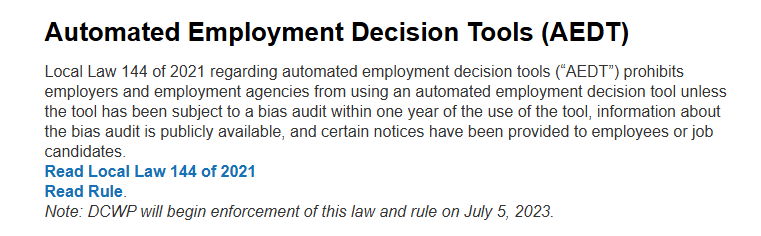
Quick compliance note: If you're in New York City (NYC), US, or hiring there, you need bias audits for your AI tools. Local Law 144 isn't going away, and the fines aren't worth ignoring it.
AI-driven analytics tools and automated solutions like ScrapingBee are also crucial for reducing the repetitive manual data extraction tasks your HR team handles, enabling them to focus on what matters more.
As talent acquisition evolves, staying updated with community-driven resources like HR Jobs Hub can help managers identify emerging remote and hybrid recruitment patterns. Once that search reaches candidates outside the company’s home market, the process shifts from sourcing to employment. An employer of record can take care of Irish employment obligations while the business decides whether a permanent local presence is justified.
2. Prioritize Employee Well-being and Mental Health
Remember when mental health support meant an Employee Assistance Program (EAP) poster in the break room that nobody used? When businesses treated burnout as an employee problem to solve.
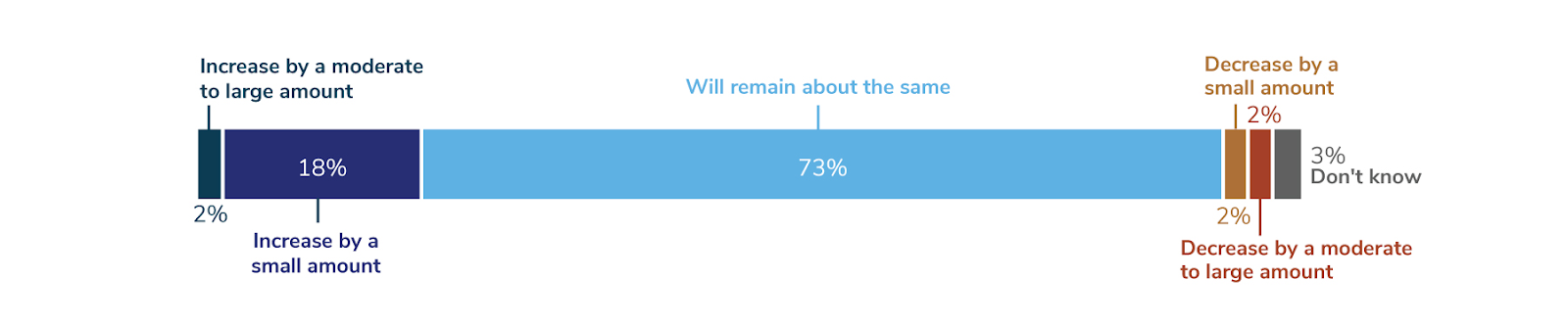
Those days are gone. Now, innovative companies realize it's usually a workplace design issue. In response, more than 20% of businesses in 2025 pledged to increase spending on team wellness.
According to the WHO, every dollar spent on mental health support returns four dollars in productivity gains. But set ROI aside for a second. Healthy employees are less likely to ditch your team in the middle of nowhere. Plus, healthy employees are happy employees. That translates into a productive team.
What works?
Give people options. Some want therapy, others need childcare assistance, and many just need permission to disconnect after work. One-size-fits-all wellness programs are dead. Bring in an optional menu instead of mandates.
Small physical signals matter too. Customized care packages, mugs, or custom apparel for internal wellness campaigns help people feel seen and appreciated without forcing participation. These items serve as everyday reminders that the company cares, not just once a year during wellness week.
The hardest part is getting middle managers on board. They are usually overwhelmed themselves.
- Start by giving them scripts for difficult conversations and clear escalation paths. Nobody expects them to be therapists, but they need to know the difference between everyday deadline stress and a situation that requires real support
- Train them to spot burnout signals early and act before problems compound
Paid gym subscriptions or access to quick health support also help. You can pair fitness benefits with fast access to online health consultations so employees can speak to a professional without long wait times or disrupting their workday.
Lastly, assess poor workplace ergonomics, overcrowded spaces, and ignored safety concerns, whether on-site or remote, and address them early. The goal is to prevent injuries and stress before situations escalate to formal complaints or work injury claims from your employees.
3. Upskill and Reskill for the Future of Work
Skills panic is real. Every week, there's another report about how many jobs AI will eat. Take United Parcel Service as an example. The brand laid off over 20,000 employees in 2025. There are also fears of more to come as AI washes out entry-level roles and even displaces some senior-level seats.
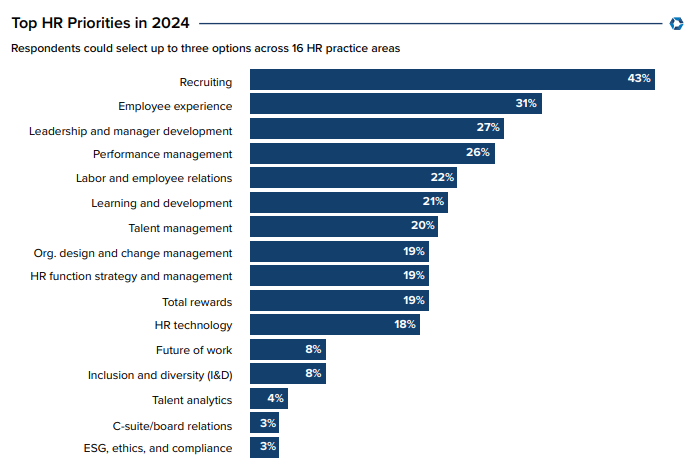
Your employees know this. They believe that job security in today's world is an illusion. And that keeps them on their toes each time a new layoff news hits. The not-so-good part? Only 8% of HR professionals actually care.
Want to stand apart and make your employees feel safe, focused, and more efficient?
Do three things: make it easy to learn, connect learning to real work, and celebrate when people pick up new capabilities.
- Instead of sending everyone to generic "digital literacy" training, identify the key missing competencies that would actually help in an AI era
- Then create learning sprints: two-week, focused efforts in which teams learned together and immediately apply new skills to real projects
- You can provide access to self-paced courses to ensure everyone catches on
Most importantly, don’t assume what your employees need. Analyze what your business will need in the next few months or years and make it the focus of training. You can also send an internal survey to let everyone choose which areas of development they need to stay relevant.
This shift is already playing out at companies leading on workforce strategy. Alice Burks, Director of People Success at Deel, describes how her team is approaching it: "We've re-anchored our talent and performance philosophy around skills, results, and behaviors rather than static roles. We are mapping core skills across the company, supporting internal mobility so people can pivot, and hosting career frameworks with Deel HR. The real unlock is cultural, helping people view their careers as portfolios of skills, not ladders of promotions."
4. Leverage Data-Driven HR Decisions
Every HR conference has speakers preaching about becoming data-driven. Well put, but the truth is that most HR teams drown in reports no one reads. Not because they lack data or their workflow is not data-centered. It’s just that they are tracking everything, and everything means nothing.
Instead of following the same pattern, narrow your focus to decisions that actually change outcomes:
- Choose three core questions HR must answer this quarter, such as why hires drop off after interviews, which roles take the longest to fill, or where attrition starts. Construct signals around those questions
- For interview drop-offs, track interviews to offer conversion rate, average days between interview stages, and candidate withdrawal reasons logged within 48 hours
- For roles that take the longest to fill, monitor time from requisition approval to first qualified shortlist, source to hire ratio by channel, and hiring manager response time
- For where attrition starts, track 90-day and 1-year attrition rates by role, team, and hiring cohort. Pair this with onboarding completion data and first performance review outcomes
- Build simple reports recruiters and leaders can read in under five minutes
- Review them on a fixed schedule and tie each insight to a clear action, like pausing a role, adjusting sourcing channels, or retraining interviewers
This approach replaces the spray-and-shoot method for identifying workflow errors and reduces reliance on gut feeling when determining whether an employee will leave. Also, it makes your reports more focused and easier to digest than a series of irrelevant metrics.
You can also monitor:
- Hiring speed
- Quality of hire (measured by first-year performance)
- Turnover in critical roles, internal mobility, and engagement scores
Get those right before you chase predictive analytics.
Privacy matters here, too. Employees get nervous when HR starts talking about algorithms. Be transparent about the data you collect and how you use it.
Data discipline also applies to how you manage employment and freelancer agreements. Scattered contracts create hidden risks around pay terms, renewals, invoicing, and compliance.
5. Enhance Employee Engagement Through Innovative Practices
Long gone are the days when HR focused solely on hiring and handing out prewritten onboarding guides. No follow-ups except at year-end or when the layoff letter is sent.
Today, things are different. HRs are more involved than ever in the work and personal well-being of each employee in the company. And the reason is that the metrics of success for modern HRs are not the number of talents recruited alone, but how effective those talents are.
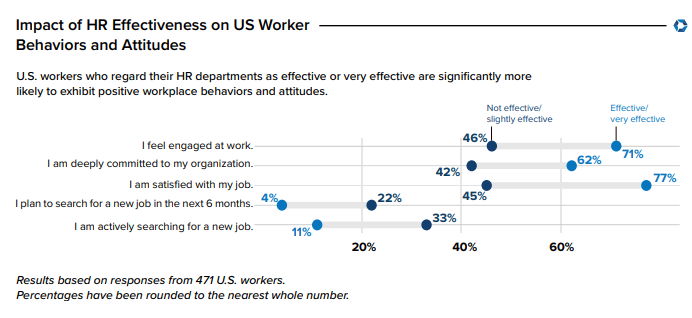
According to a SHRM survey, 71% of more engaged employees say their HR is effective or very effective. Engaged employees are happy employees, and they make a productive team.
Do you want to make your employees engaged? Ask.
Bring in energy checks: three questions that take 30 seconds to answer. It’s great because people can do it while waiting for coffee. The energy check should have questions like:
- How energized do you feel starting today’s work?
- Do you feel clear about what is expected of you this week?
- Did anything at work drain your energy more than usual in the past few days?
Beyond check-ins, stay present even outside core work hours. Share short weekly updates using a simple company newsletter template to create reminders, recognize wins, and keep employees connected without constant meetings. It keeps communication flowing without being intrusive.
Don’t stop at asking alone. Watch what they do as well. Head drooped or left hanging on the work desk, social isolation, siloed working between teams, late deliveries, same pattern interaction, burnout signs, and so on. All of these indicate insufficient engagement.
Acknowledge everyone and build a culture of appreciation. The thing is, traditional recognition programs usually fail because they're too formal. Nobody wants to nominate colleagues for the "Excellence in Synergy Award."
What works is making appreciation easy and specific. If you’re using Slack for internal comms, you can set up a simple workflow or integration that enables your employees to type #thanks and tag someone, and it will be included in a weekly digest. Easy, positive callout and no fluff.
Gamification works too, but it's easy to overdo and can breed a negative, competitive work culture. Use it sparingly—maybe for learning new skills or wellness challenges—and always make it opt-in.
How to Implement These Trends in 2026
Pick three things from this list. Seriously, just three. Choose based on your most significant pain points. If turnover is killing your process, start with well-being and engagement. If you can't hire fast enough, focus on AI recruiting tools. If your team lags in competency, upskilling and reskilling moves to the top.
Here's how to actually make more progress:
- Block 90 minutes with your HR leadership team
- Pick your three priorities
- Assign one person to own each area and meet again in six weeks to check progress
HR is changing fast, but people aren't. Employees still want interesting work, fair treatment, growth opportunities, and leaders who give them due consideration. Get those fundamentals right, and the trendy stuff matters less.
Conclusion
Quarter one of 2026 is not about doing everything better at once. It is about choosing a few changes that genuinely improve how people are hired, supported, and developed, then giving those changes the time and ownership they deserve.
That means using technology to remove hiring friction, designing work that supports well-being, building skills that match real business needs, focusing data on a few meaningful questions, and staying close to employee energy beyond annual surveys.
You do not need to implement everything at once. Start with your team’s current pain points, apply only the trends that fit, and review progress regularly to adjust and improve as you go.