


.png)



We live and work in quick bursts now.
Our screens compete for attention, calendars are stacked, and most of us sneak in content between tasks or while waiting for an event to end. Your audiences are doing the same.
You see those few seconds or minutes they take off to have fun or quickly dissociate? That’s your golden window, and micro engagement helps you reign it in really fast.
In this article, we’ll break down what microengagement is all about, why it’s important, and how to implement it.
What is Micro-Engagement?
Micro-engagement is any brief, self-contained interaction that delivers value quickly, often in under a minute, and invites immediate action or a strong feeling.
In digital content, that’s where we have stories, reels, shorts, polls, reactions, quick DMs, and swipeable carousels. In events, it can be a 2-minute icebreaker, a lightning talk, a short quiz section, a single on-the-spot question that gets the whole room leaning in, or a short post-event customer newsletter to show appreciation for their presence.
On your website, that’s similar to a simple hover effect, quick loading animations, or any short interactive experience that keeps people scrolling. It can also include practical tools that remove uncertainty in seconds, like previewing a calendar slot, verifying a payment confirmation, confirming an address, or using a quick phone lookup before returning an unfamiliar call. The psychology behind it is pretty simple. People decide in seconds whether to stick with a piece of content.
Take Bates Electric as an example. They use short Instagram updates that highlight recent electrical fixes and safety improvements in real homes. Their website content breaks down services such as panel upgrades, lighting installations, and generator setups into clear, digestible sections that can be understood at a glance. During community events, they incorporate quick safety talks, micro-moments, and demonstrations that reinforce their expertise without dragging on. Each micro moment is directly tied to their actual services.
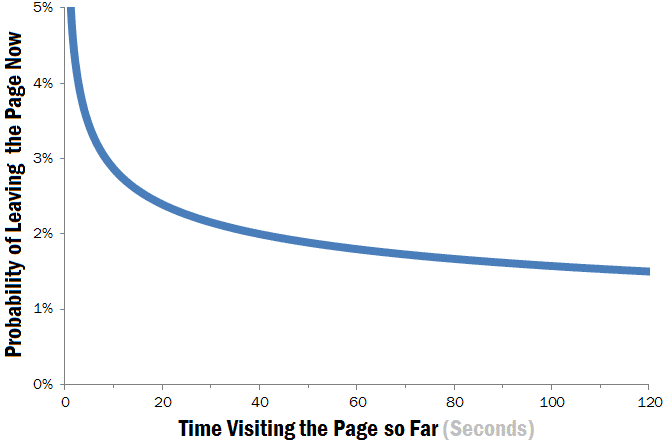
According to research from Nielsen Norman Group, users often leave a webpage within 10 to 20 seconds if nothing on the page hooks them. Micro-engagement taps into those seconds to deliver all that’s important and relevant.
The Benefits of Micro-Engagement
Short experiences fit busy lives. They don't fight our schedules because they're compact and often punch above their weight in recall and impact. This results in:
- Higher completion rates. People are more willing to finish a video when the time commitment feels small
- Stronger early retention. Subtle hovers and quick clips help you win the race against notifications by delivering value in the first few seconds
- Better recall of your core idea. Clarity improves when you don't overload the message
- More frequent participation. Simple actions lower the barrier to engagement. It is much easier to get a click or a response when the "ask" only takes a moment
- Reduced viewer fatigue. Brief interactions respect your audience's energy and leave them wanting more rather than feeling exhausted
- Easier integration into daily routines. Your content fits into small gaps in a busy schedule, like while waiting for coffee or before a meeting starts
Most importantly, micro-engagement enables clearer performance tracking. Shorter formats make it easy to see exactly where people drop off and give you precise data on what works, since there are fewer variables to analyze.
5 Ways to Implement Micro-Engagement Strategies
Micro-engagement is a goldmine for businesses looking to build brand image, retention, and authority. Here’s how to do it right:
Audit Your Current Touchpoints
Ryan Beattie, Director of Business Development at UK SARMs, compares auditing to how clinicians diagnose a patient’s condition and evaluate health, or what to treat.
“Doctors ask, investigate, and infer from the results. Touchpoint audits for micromanagement work the same way. It means going through every step of your audience journey and asking what actually happens in those small windows of attention. This reveals where attention is already being spent and helps you focus where engagement is realistic.
Look at:
- Onboarding screens
- Email open moments
- Meeting openings
- Transitions between agenda items
- Event waiting rooms
After mapping these out, study for patterns. You may notice friction. You may see missed opportunities to ask one simple question or offer one clear action. That is where micro engagement begins.
Add animations where necessary. If a simple hover effect will boost engagement, implement it. If page length is a blocker, reduce.
Use Sequencing Instead of Dumping
Sequencing means spreading engagement across time and phases rather than compressing it into a single block. This is also a form of spacing and respects how memory works, according to the Proceedings of the National Academy of Sciences.
Instead of delivering everything at once, you can:
- Cut webinars into short clips and post them in different timelines
- Turn presentation decks into carousel posts
- Pull a 45-second highlight from a panel and add captions
- Break your landing page into mini sections
This method reduces fatigue while increasing familiarity. Each touch builds on the previous one.
Design for Mobile and Accessibility
If the experience you deliver is difficult to read, slow to load, or awkward to tap, engagement drops before your message is even processed. That’s why building for mobile and accessibility is non-negotiable.
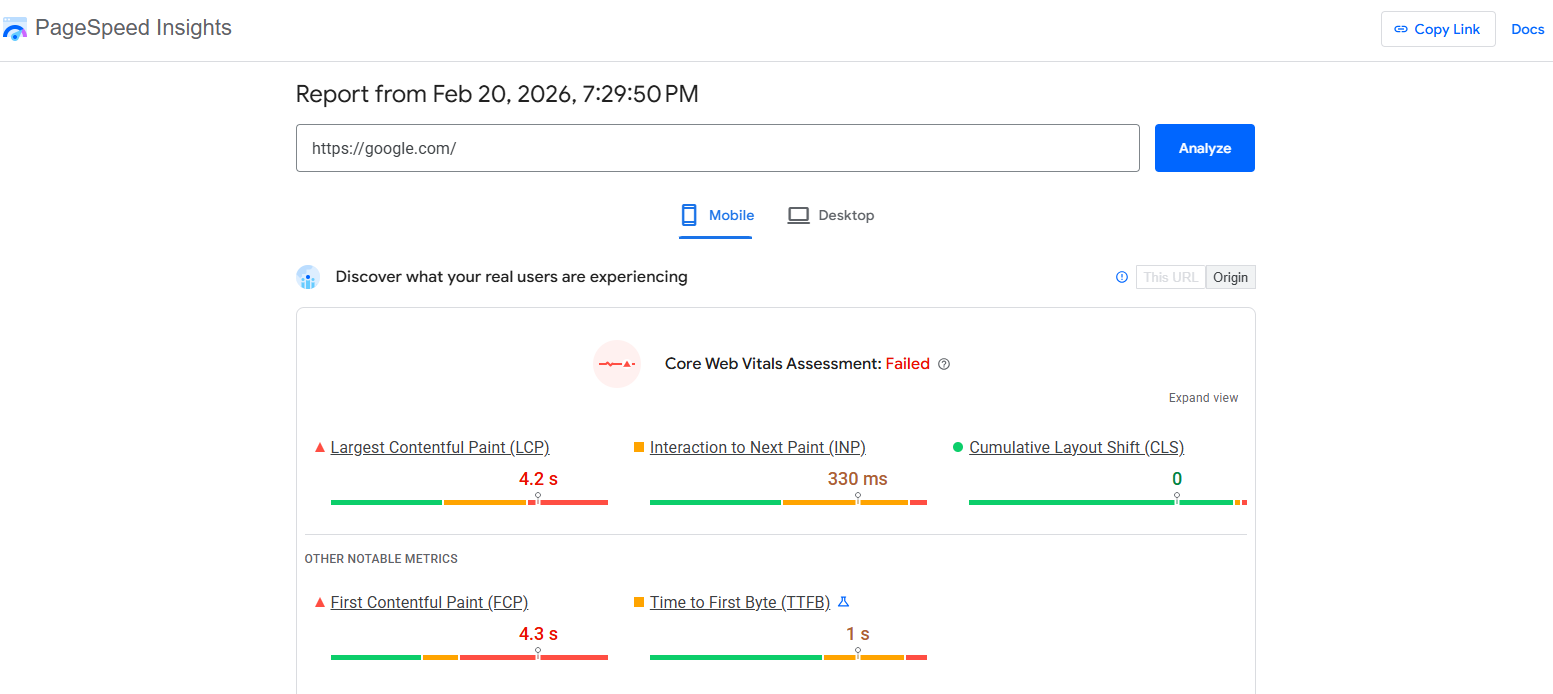
To do that, ensure each digital experience is structured to work on different mobile screens. Also, monitor and optimize your website speed using Google’s PageSpeed Insight.
Clarity matters as well. So, use:
- Concise and simple captions for videos
- Large tap targets on pages
- Clear visual hierarchy in designs
People are more willing to finish it when the experience feels easy.
Apply It to Internal Programs
Bryan Henry, President at PeterMD, uses micro-engagement to keep internal medical teams connected, and he says, “Internal programs offer natural spaces for micro-engagement because they already involve shared attention. We integrate small interactive moments like a 90-second icebreaker at the start of meetings or in between, and that increases everyone’s energy and retention without disrupting flow.”
To do the same, Bryan suggests including:
- A timeboxed icebreaker at the start of or during meetings and internal programs. It could be anything like a one-word check-in, a quick poll, or a rapid-fire “this or that” question
- One interactive moment every 10 minutes
- Short async micro challenges that people complete before sharing back
You can also replace a long question-and-answer session with 10-minute office-hour blocks. Single-question pulse checks to help guide decisions in real time. These small inserts make sessions more dynamic and participatory.
Keep It Valuable, Not Noisy
Cris McKee, Founder at GetWorksheets, says, “Short does not automatically mean effective. It is possible to create bite-sized content that feels rushed or hollow. And when that happens, your audience starts to disengage. On the other hand, an effectively short or micro-engagement carries genuine value and emotion, even within a compact format.”
According to Cris, that means:
- Making each engagement feel complete, not abrupt
- Avoiding oversaturation. If every touchpoint includes a new micro ask, fatigue sets in. So, create short experiences only when they serve a clear purpose and feel satisfying to complete
- Adding relevant depth. Some sessions should remain longer and more immersive, such as workshops with hands-on practice, leadership roundtables, deep dive demonstrations, and team retrospectives
Micro engagement works best when it supports these deeper formats rather than replacing them.
Conclusion
Hours-long events and clumped blocks of content no longer meet the mark. People consume information differently now, and short experiences align with that reality because they deliver value quickly, spark interaction, and build momentum without demanding an hour of your day.
To implement micro-engagement in your content and events, audit your current touchpoints and keep records to note what needs improvement. Start with implementing small changes, introducing sequencing, and designing digital experiences for mobile.
Measure what actually moves the needle, apply it to internal programs as well, and keep your engagements valuable.


