


.png)



Inclusive remote onboarding helps new employees feel supported and ready to work after the first week.
Think of it as helping people get settled in, not just saying welcome on day one.
Why does this matter? Remote work has increased by over 91% in the last ten years.
Many people now start jobs without ever walking into an office. That means they can’t learn by watching coworkers, asking a quick desk question, or accidentally overhearing useful stuff near the coffee machine.
If things are not explained clearly, people end up spending too much time guessing.
And guessing is a terrible onboarding strategy. (Fun for riddles. Bad for jobs.)
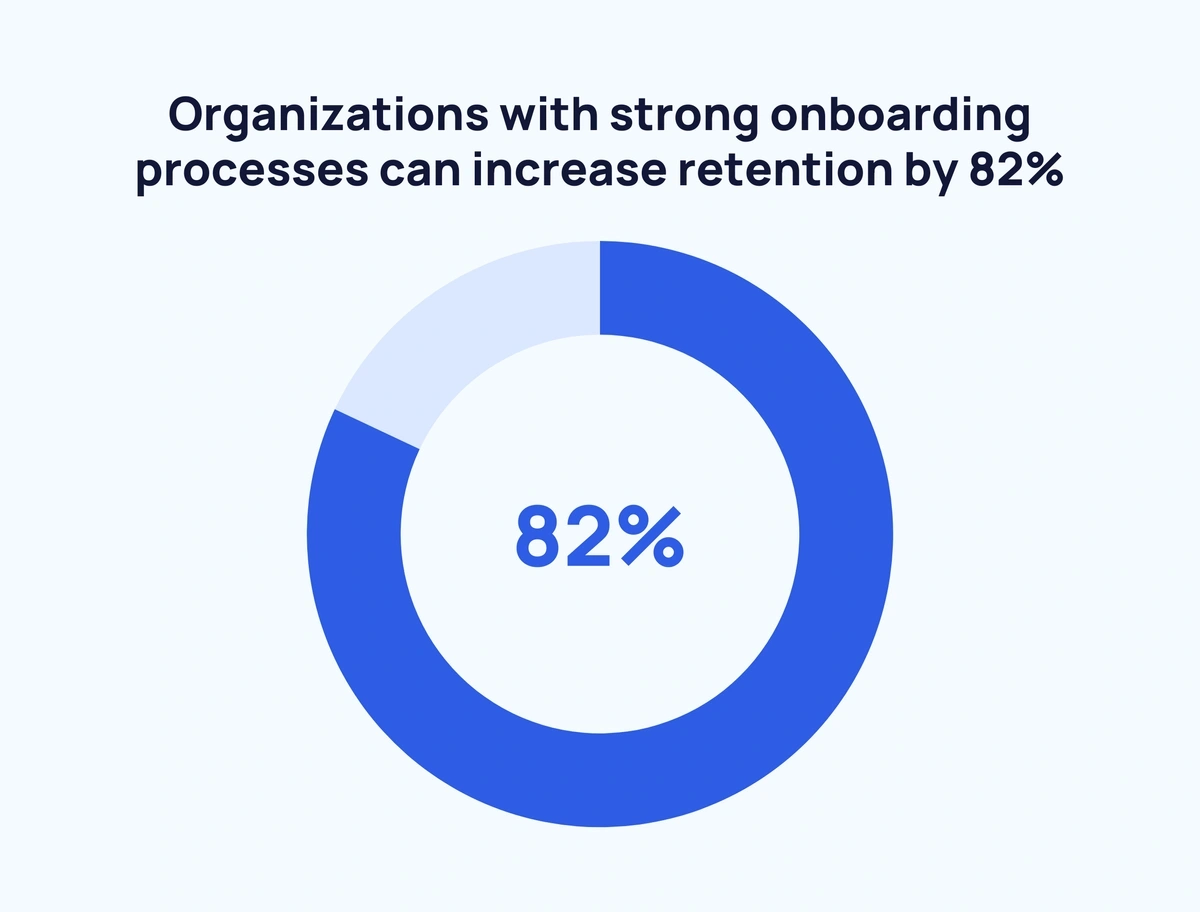
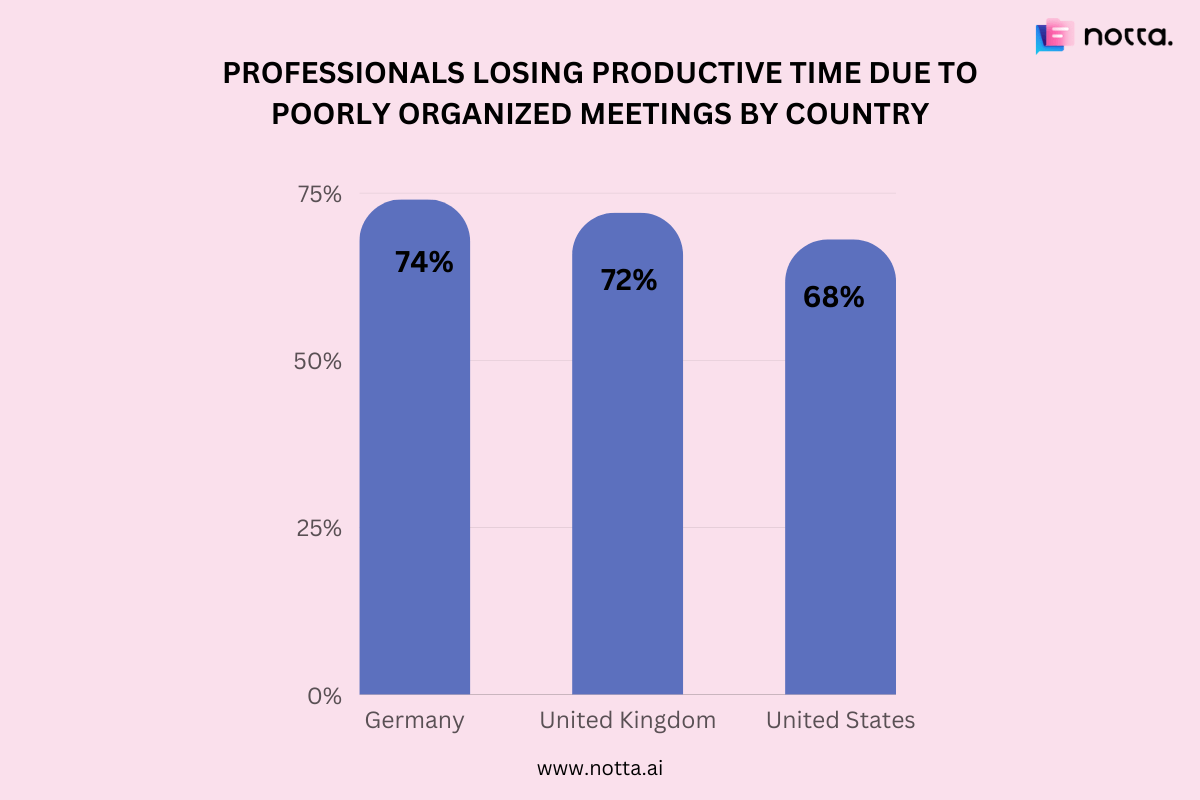
Most remote onboarding plans look good at first. The plot twists usually show up in week two and week three…
This guide shows you what to do after the first week. You’ll learn simple ways to share information, support new hires, and see what’s working so people can learn faster with less stress (and fewer “sorry, where is that link again?” messages).
Understanding Inclusivity in Remote Onboarding 🌍
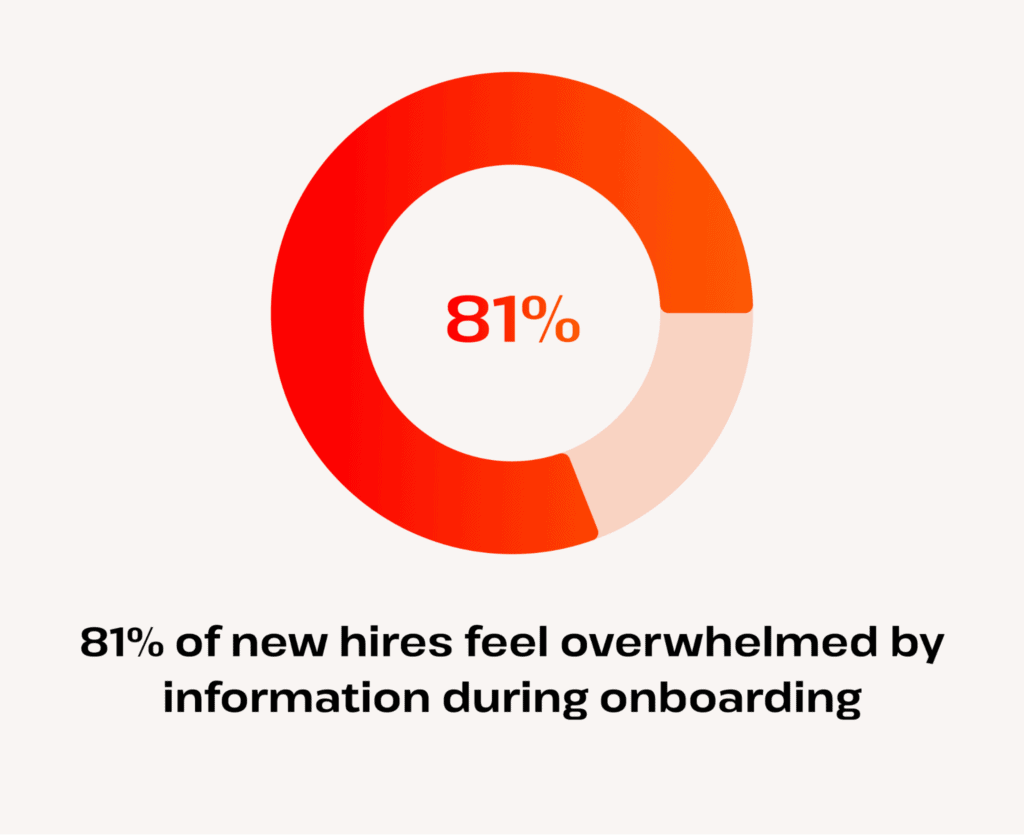
Most onboarding plans assume the new hire joins every meeting, asks the right questions, and remembers everything.
In real life, people spend half the week trying to remember where an important document was shared.
Slack? Email? Notion? A calendar invite? A random comment from Tuesday? Nobody knows.
Here are a few ways to fix this.
Make information available easily 🔎
If critical context only exists in live meetings, people who miss them fall behind.
If onboarding docs are hard to find or unfinished, people rely on side chats and “I think someone said...” notes instead.
Matthew Thompson, Founder of OwnerWebs, has seen this problem in distributed teams.
Thompson says, “If a new hire has to ask three different people for the same link, you don’t have onboarding documentation, you have tribal knowledge. One searchable home base, clear page titles, and a short ‘start here’ path removes hours of guessing in the first month.”
Inclusive onboarding for virtual teams fixes this by making information easy to revisit. People can find what they need without relying on memory or playing detective in side chats.
Make small tweaks to show people truly belong 🤝
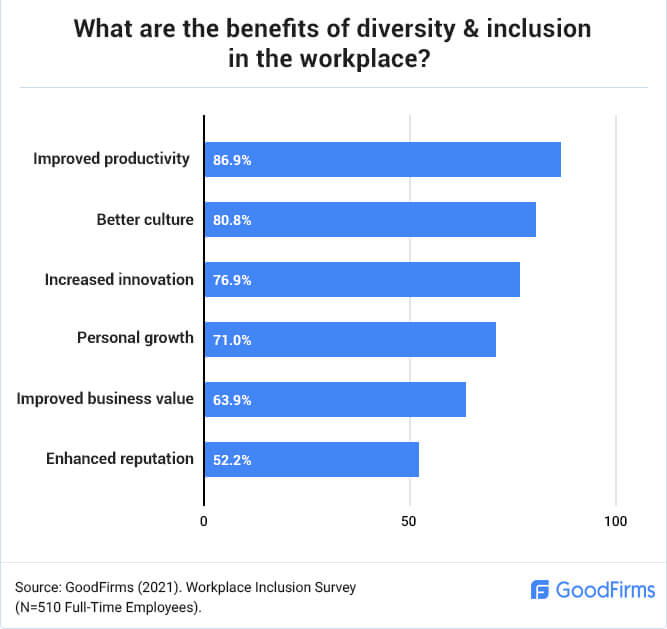
Every day systems and decisions reinforce inclusion.
Set expectations that work for different time zones instead of assuming everyone is on the same schedule. These details signal whether the organization expects people to succeed as they are, or adapt quietly.
Ryan Walton, Program Ambassador at The Anonymous Project, says small systems shape belonging.
Walton says, “People notice the ‘small stuff’ because it tells them whether they’re an exception. If meeting times always favor one region, or names/pronouns are wrong in tools, new hires learn quickly that adapting is on them. Fixing those basics helps new hires feel included instead of left out..”
When onboarding is flexible and information is easy to find, new hires settle in faster and stay engaged longer. The difference is a clear structure.
Inclusive remote onboarding works because it removes problems early, before they become part of the workday.
Setting the Foundation Before the First Day 📦
Most new hires spend the days before starting in a strange in-between state. Good pre-boarding replaces that uncertainty with clarity.
It answers the basic questions early: How do I set up my laptop? What happens on day one? Who do I meet first?
Skip the information pile-up. Clear the road first so people can start working, not hunting for access.
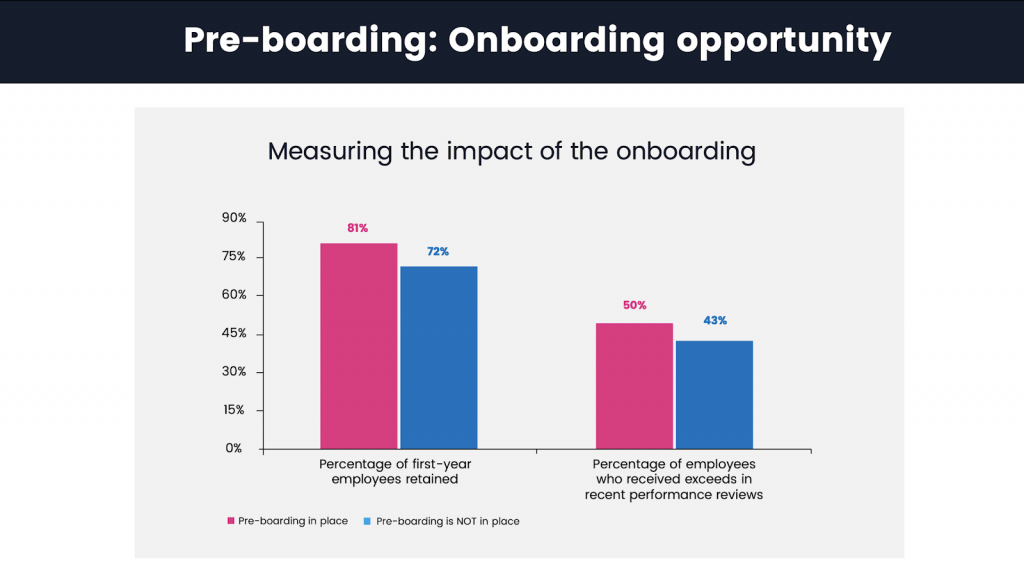
A few things help:
- Send clear setup instructions before day one. Laptop access, security steps, and logins should be predictable, not a scavenger hunt.
- Create a single onboarding hub. Include org charts, short setup videos, key tools, a glossary of internal terms, and a simple “first 30 days” roadmap. People should know where to look without asking around.
- Introduce people early, even briefly. Two-minute intro videos from managers or teammates help new hires recognize names and understand who does what. This makes the first real conversations easier.
Wang Dong, Founder of Vanswe Fitness, has seen this slow down new hires early on.
Dong says, “Most first-week struggles aren’t about skill. They’re about access and missing context. If logins, tools, and ‘how we work’ aren’t handled upfront, the new hire spends their energy troubleshooting instead of learning the role.”
Beyond the First Week: Continuous Support 🛠️
Week one gets the welcome energy. Week two is where the real questions show up.
By week two, new hires are expected to use tools independently and join meetings with context, usually right when the undocumented stuff starts showing up.
That’s when onboarding can go off the rails.
Keep some structure in place so people are not forced to wing it.
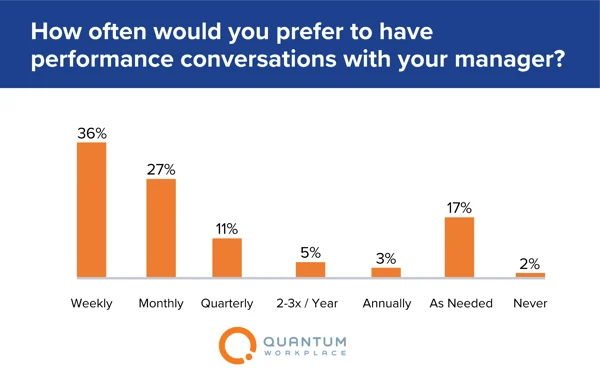
- Hold weekly 1:1s for the first month. Keep them focused: What’s unclear? What’s slowing you down? What do you need next?
- Use a shared running doc for the new hire to log questions so managers can review it before check-ins.
Tom Rockwell, CEO of Concrete Tools Direct, uses this approach with his team.
Rockwell says, “The running doc is the simplest ‘inclusive’ move we made because it stops information from living in someone’s inbox. New hires can write questions as they come up, managers can reply when they are online, and no one has to pretend they remember everything from a call.”
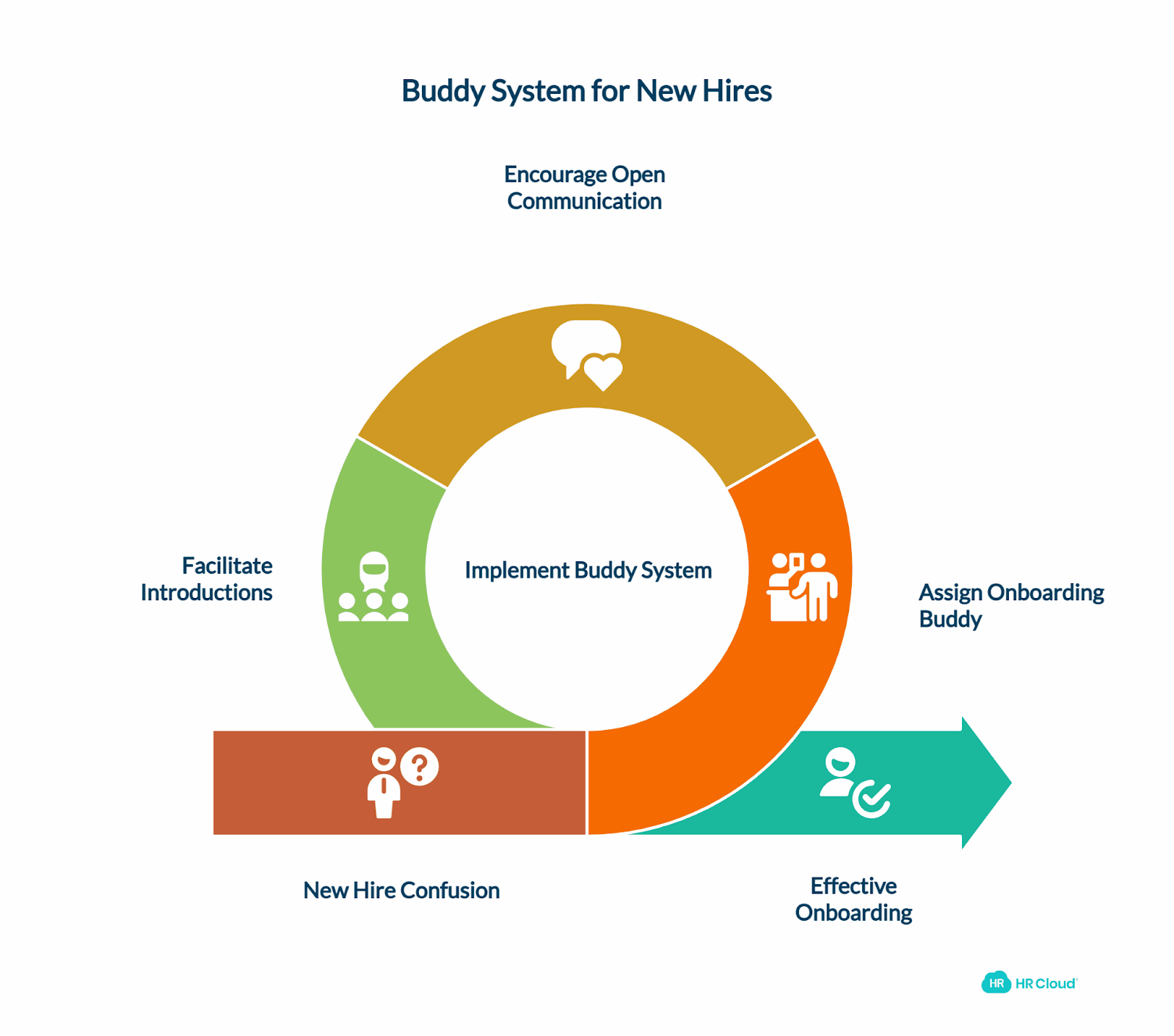
Buddy systems help, but only if they’re designed, not symbolic.
- Assign a buddy for 60–90 days.
- Give them light structure: suggested topics at weeks 2, 4, 8, and 12.
- Create a simple feedback path if something feels off.
Without structure, buddies check in once and drift.
Christopher Skoropada, CEO of Appsvio, has worked on this in remote onboarding.
Skoropada says, “The easiest way to create uneven onboarding is to hide key context inside live calls. We treat recordings and written summaries as the default, not the backup, so time zones and schedules don’t decide who gets the full story.”
How to Measure Onboarding Success 📏
Jeff Zhou, CEO of Fig Loans, tracks this through onboarding performance signals
Zhou says, “We don’t treat ‘completed onboarding’ as the goal. We look at how quickly someone starts doing real work and how their questions change over time. If they’re still stuck on basic questions because information is hard to find, onboarding isn’t working.”
Practical KPIs to track:
- First real task done
- Time to work on their own
- 30/60/90-day retention
- Was onboarding helpful?
- Buddy check-in completion
Keep feedback short so people actually answer it.
If the survey takes longer than the meeting, you’ve created a new problem.
If you want to make inclusive remote onboarding easier to run (and easier to repeat), Confetti can help. Our resources help teams build real connections without forcing everyone into the same format.