


.png)


You've got a tight budget.
Every dollar matters.
And someone just pitched the idea of spending money on virtual team building.
Your gut reaction? Probably skepticism.
I get it. When you're running a small business, "team building" can feel like a luxury reserved for companies with deep pockets and dedicated HR departments.
But here's what I've learned after years of working with small teams and solopreneurs: the investment question misses the point entirely.
The real question?
What's it costing you NOT to invest in your team's connection?
Let’s get to it.
The Hidden Costs of Disconnected Teams
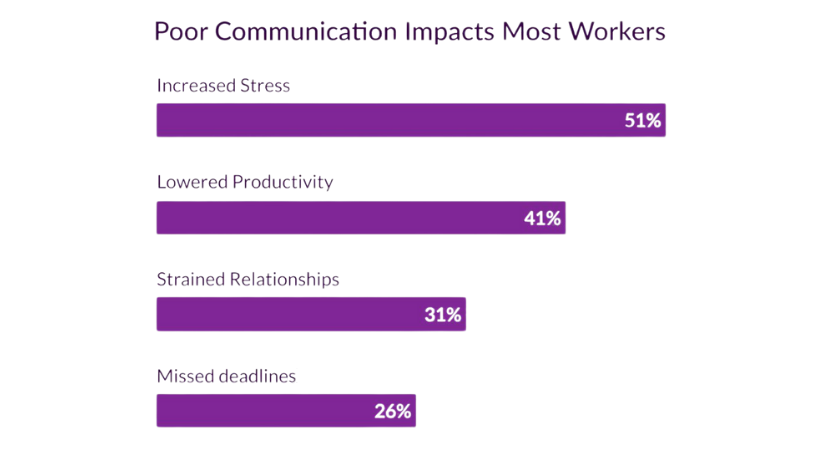
Let me paint this picture clearly. Your remote team logs in every day. They do their work. They hop on calls when needed. Everything looks fine on the surface.
But underneath?
❌ Communication breaks down: People make assumptions instead of asking questions.
❌ Collaboration suffers: Team members work in silos because they don't know each other well enough to reach out.
❌ Turnover creeps up: Employees who feel isolated start browsing job boards.
❌ Innovation stalls: Nobody feels comfortable enough to share half-baked ideas.
These problems don't show up on your balance sheet immediately. They compound slowly, like interest on debt you didn't know you had.
I've seen it happen with clients time and time again. They come to me frustrated because their team "just doesn't gel" or projects keep stalling for mysterious reasons.
Nine times out of ten, the root cause traces back to weak relationships between team members.
What Virtual Team Building Looks Like in 2025?
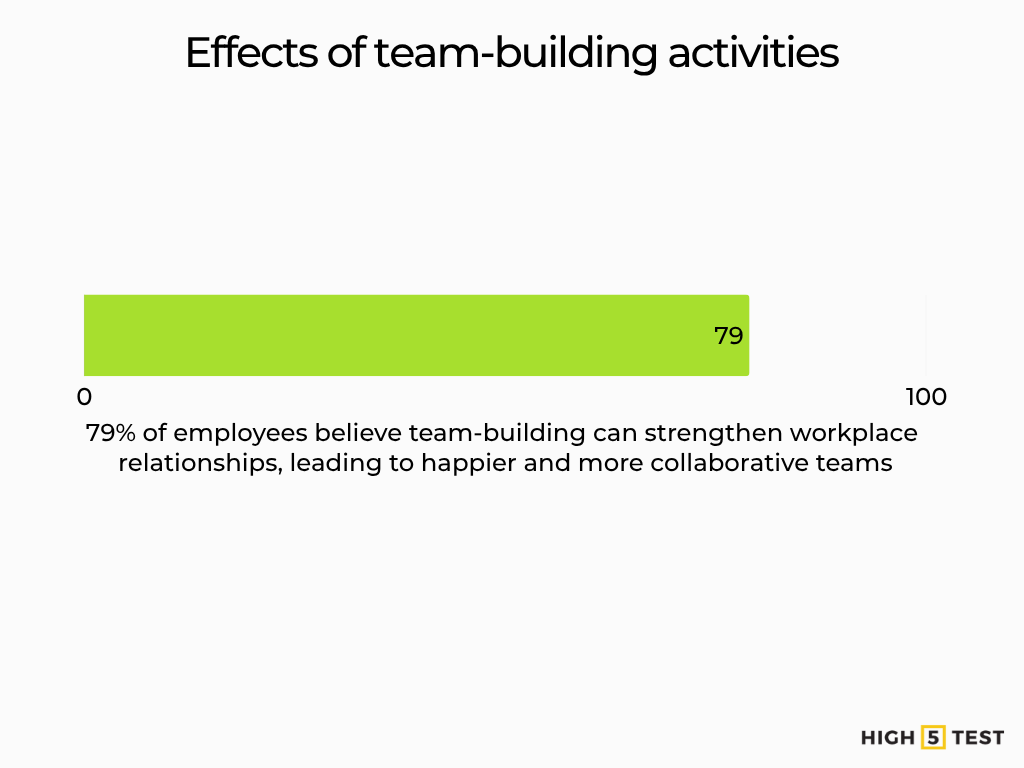
Most small business owners think virtual team building means awkward Zoom happy hours where everyone sits in silence sipping drinks and wishing they were somewhere else.
Or worse: forced "fun" activities that feel about as authentic as a three-dollar bill.
That's not what we're talking about.
Modern virtual team building has evolved dramatically.
The options available now actually work because they focus on genuine connection rather than manufactured enthusiasm.
Effective virtual team building includes:
👉 Collaborative problem-solving games where teams work together toward a common goal
👉 Virtual escape rooms that require communication and creative thinking
👉 Skill-sharing sessions where team members teach each other something they're passionate about
👉 Structured networking activities designed specifically for remote environments
👉 Online workshops focused on professional development with built-in interaction
👉 Casual "coffee chat" programs that pair team members randomly for informal conversations
The key difference between activities that work and activities that flop? Intentionality.
Throwing people into a virtual room and hoping magic happens won't cut it.
But designing experiences that give people a reason to interact, collaborate, and learn about each other?
That's exactly where transformation happens.
The ROI Question - Breaking Down the Numbers 💸
Alright, let's talk money. Because at the end of the day, you need to justify this expense and measure the ROI.
Consider the cost of turnover first
Replacing an employee typically costs between 50% and 200% of their annual salary when you factor in recruiting, onboarding, training, and lost productivity.
For a small business with a team of ten, losing even one person per year to preventable disengagement could cost you tens of thousands of dollars.
Now compare that to the cost of virtual team building activities. Most quality programs run anywhere from $20 to $100 per person per session.
For a ten-person team doing quarterly activities, you're looking at maybe $800 to $4,000 annually.
Productivity gains matter too
Employer branding statistics show that highly engaged employees communicate more effectively, boost profitability by 23%, making it well worth your attention.
Employees trust each other, and move faster. They spend less time in unnecessary meetings clarifying misunderstandings.
They collaborate more efficiently because they understand each other's working styles.
And then there's innovation
When people feel psychologically safe with their colleagues, they share ideas more freely. They take creative risks. They push back constructively instead of staying silent.
These behaviors drive the kind of breakthroughs that separate thriving small businesses from those that plateau.
When Virtual Team Building Makes Sense (And When It Doesn't)?
I'm going to be straight with you. Virtual team building isn't a magic solution for every team problem. And it definitely won't fix fundamental issues with leadership, compensation, or toxic work environments.
Virtual team building makes sense when:
✔️ Your team works remotely or in a hybrid setup and lacks organic relationship-building opportunities
✔️ You've noticed communication breakdowns or siloed working patterns
✔️ New team members struggle to integrate and feel like outsiders
✔️ Collaboration requires extra effort because people default to working alone
✔️ Morale has dipped without any obvious external cause
✔️ You're scaling and need to maintain culture as you add people
Virtual team building probably won't help when:
❌ Deeper structural problems exist (poor management, unfair compensation, unclear roles)
❌ You're trying to use it as a band-aid for serious interpersonal conflicts
❌ Leadership doesn't participate or take it seriously
The distinction matters because throwing money at team building when the real problem is something else entirely will only breed cynicism.
Your team will see right through it. And you'll wonder why your investment didn't pay off.
How to Make Virtual Team Building Work for Small Budgets?
One of the biggest misconceptions about team building? That it has to be expensive to be effective.
Some of the most powerful team-building experiences I've seen cost almost nothing. They just required thoughtfulness and commitment.
Budget-friendly approaches that work:
- Weekly "wins and learns" sessions where team members share one success and one lesson from their week (cost: zero dollars, just 30 minutes of time)
- Rotating "teach me something" presentations where people share expertise or hobbies (cost: zero dollars)
- Virtual lunch roulette that randomly pairs team members for casual conversations (cost: maybe a food delivery stipend or company swag if you want to add a perk)
- Collaborative playlist building for different moods or projects (cost: zero dollars, surprisingly effective at sparking conversation)
- Monthly challenges around fitness, reading, learning, or creative projects with lightweight accountability (cost: minimal, maybe a small prize for winners)
The point is this: connection doesn't require elaborate activities or massive budgets.
It requires intention, consistency, and leadership buy-in.
If you can only afford to invest time rather than money, you can still build a more connected team. The activities might look simpler, but the outcomes can be just as powerful.
The Leadership Factor (+ Why Your Participation Matters)
A lot of small business owners invest in team building activities but treat them as "something for the team" rather than something they personally participate in.
This is common in fast-paced models like SAAS startups or dropshipping businesses, where founders often stay laser-focused on operations and overlook the culture side.
This approach kills effectiveness faster than anything else.
When leadership sits out, they send a clear message: this isn't actually important. It's optional. It's not worth my time.
Your team picks up on that signal immediately. And their engagement drops accordingly.
Effective leaders during team building:
- Participate fully rather than multitasking or dropping in briefly
- Show vulnerability by sharing personal stories and admitting what they don't know
- Model the behavior they want to see from their team
- Follow up afterward to reinforce connections made during activities
- Solicit feedback about what worked and what didn't
The irony? Many business owners skip team building because they feel too busy. But their absence makes the activities less effective, which makes them seem like a waste of time, which confirms the original decision to skip them.
It's a self-fulfilling prophecy.
Break the cycle by showing up fully. Your presence alone multiplies the impact of whatever you invest.
Which SMBs Benefit Most From Virtual Team Building?
Not every small business faces the same connection challenges.
But certain types of companies feel the pain of disconnection more acutely than others.
Remote-first businesses that thrive with virtual team building:
✔️ Digital marketing agencies where creatives, strategists, and account managers need to collaborate seamlessly across projects
✔️ Software development teams with developers, designers, and product managers scattered across time zones
✔️ SaaS startups with lean teams, jugling product development, customer success, and growth initiatives simultaneously
✔️ E-commerce companies managing remote customer service reps, fulfillment coordinators, and marketing specialists
✔️ Virtual assistant agencies where team members rarely interact despite serving the same clients
✔️ Online coaching and consulting firms with multiple contractors who need to maintain brand consistency
✔️ Content creation studios bringing together writers, editors, videographers, and designers from different locations
✔️ Bookkeeping and accounting firms with remote accountants serving various small business clients
These businesses rely heavily on collaboration between people who might never meet in person.
Virtual team building creates the informal moments that office-based teams take for granted. The hallway conversations. The lunch break chats. The spontaneous brainstorms that happen when people actually know each other.
For remote-first small businesses, these moments don't happen organically.
You have to build them intentionally.
Making the Decision as a Small Business Owner
So where does this leave you?
If you're still on the fence about whether virtual team building deserves space in your budget, run through these questions:
Assessment questions:
- Do your team members know each other beyond their job functions?
- When was the last time your team laughed together?
- Do people proactively help each other or wait to be asked?
- Are new hires integrating smoothly or struggling to find their footing?
- Has anyone mentioned feeling isolated or disconnected?
If your honest answers raise concerns, that's useful data.
Next, consider your constraints:
- What can you realistically afford in terms of money AND time?
- Who on your team would champion these activities?
- What would participation look like given your team's schedules and preferences?
- How would you measure whether it's working?
Finally, start small.
You don't need to commit to an expensive annual program right away. Try one activity. See how your team responds. Gather feedback. Iterate.
The businesses that get the most from team building treat it as an ongoing experiment rather than a one-time event.
Wrap Up
Virtual team building represents a real investment. Time, money, attention, energy. All of it.
But disconnection costs more.
The question isn't whether you can afford to invest in your team's connection. The question is whether you can afford the slow erosion of trust, communication, and collaboration that happens when you don't.
Your team's relationships are the foundation everything else gets built on. And foundations deserve investment.