






If you're the person staring at a blank planning doc every January, trying to map out a year of team events without putting people to sleep by March, you're not alone. Most calendars look strong on the surface, but collapse into the same monthly mix on repeat.
And that explains part of why only 31% of U.S. employees feel engaged at work, the lowest in a decade, according to Gallup.
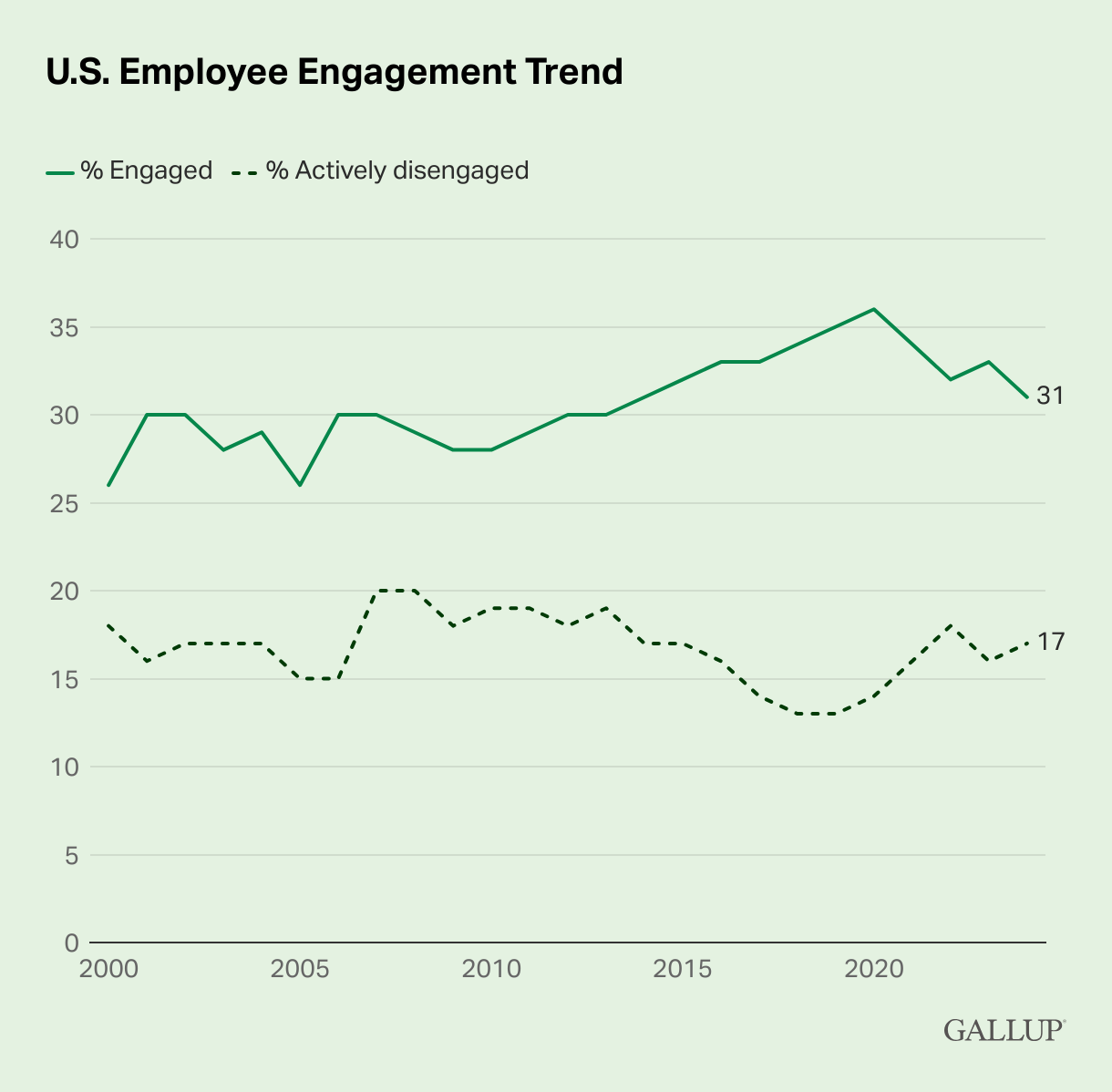
In this article, we'll walk you through how to build a more dynamic 12-month team event, one your team will actually show up for.
What Is a Team Events Calendar?
A team events calendar is your year-long plan of experiences built around culture, connection, and morale.
The typical calendar defaults to the same trivia, same potluck, same Friday happy hour. That makes it monotonous, which is the fastest route to disengagement.
A well-designed and dynamic calendar, on the other hand, gives every event a purpose, a rhythm, and a reason for people to clear their schedules.
Why Repetitive Calendars Hurt Team Culture
One way to understand this is to compare repetitive calendars to eating the same food every day, with little variety, for a whole year.
You gradually grow numb to the taste and might even get irritated over time.
The same thing applies to your employees if you keep exposing them to the same calendar events. It becomes monotonous and gradually loses the appeal it once had.
Once the excitement no longer exists, the events lose their purpose, affect engagement rate, and can negatively impact productivity as well.
Here’s more of what happens:
- Attendance drops. People start treating events as optional after the third or fourth round of the same activity
- The effort starts looking pointless
- Connection stalls. Repetition pairs the same people in the same way, so the cross-team relationships you're hoping to build never get a chance to form
An event without meaning or impact is a waste of time. Even Google's Project Aristotle research found that meaning and impact are two of the five factors that separate effective teams from struggling ones.
How to Build a 12-Month Team Events Calendar That Stays Fresh
A fresh calendar is about better choices, sequenced thoughtfully across the year, rather than more events. Here's how to put one together:
- Start with what your team actually wants
Zaheer Dodhia, CEO at Hummingbird International, an e-waste recycling and IT asset disposal company, invests in people strategy and employee engagement programs, says, “Your team is a mix of people with different definitions of fun. So, before you plan a single event, ask your team what they want.”
"Run a five-minute pulse survey before every quarter and ask two questions, what energized you last quarter, and what would you skip this time. The answers will reframe your calendar faster than any best-practices article,” Zaheer says.
You can also look at attendance patterns from past events, too. If people showed up moe for learning events, then you know where to put gaming.
- Mix event types so nothing feels like a repeat
Group your events into categories or team-building collections, then rotate across them throughout the year. You can replicate this template and add more:
- Social and fun: Trivia, escape rooms, mixology, game shows, anything low-stakes and lighthearted
- Learning and growth: Lunch-and-learns, guest speakers, skill workshops, AMA sessions with leadership
- Wellness: Guided meditation, fitness challenges, mental health check-ins, sleep workshops
- Creative: Painting classes, improv sessions, cooking demos, music workshops
- Recognition: Peer shoutout sessions, milestone celebrations, anniversary moments
Samuel Charmetant, ArtMajeur Founder of ArtMajeur, runs one of the world's largest online art marketplaces, says, "Creative experiences pull people into a different headspace than the work they do all day, and that's the whole point. Schedule at least one purely creative event each quarter, painting, music, writing, anything hands-on, because that's where you'll see colleagues laugh together for the first time in months."
“You can also plan surprise events using the recognition category. Nothing beats getting celebrated out of the blue by a team that cares,” Samuel adds.
- Build rhythms into the calendar
Jason Ledbetter, an operator and growth strategist who's helped scale companies across telemedicine, SaaS, and e-commerce, says the hack is to treat each year like a song with a tempo.
"If you cluster three small events in two weeks, your team will dread the fourth one, no matter how good it is. Too much fun gets boring. Instead, resist the urge to fill up every Tuesday and spread your monthly touchpoints at least 10-14 days apart. You should also arrange major events far apart and interspace them with smaller ones. Rhythm is what makes the calendar feel intentional instead of frantic."
Here’s a template you can use:
- Quarterly anchor events, featuring your team’s big moments, carry the most weight. Use them sparsely so as to maintain importance
- Monthly micro-moments keep energy alive between them. Bring them in occasionally
- Introduce flex weeks to give breathing room when deadlines stack up. No events at all
This timing ensures you’re able to fill in the disengagement gap whenever your team feels tucked up and needs a space to let some steam out.
- Make recognition a regular part of the calendar
Recognition shouldn't wait for year-end. Instead, build it into your event calendar.
Bryan Henry, President of PeterMD, which runs one of the largest men's health telehealth platforms in North America, has built a culture that makes employees feel seen in their roles. He says, “Recognition lands when it's specific and timely, not when it's batched.”
“Send a handwritten note within 48 hours of someone doing great work, name what they did, and why it mattered. Give a shoutout as soon as you notice what warrants it and ensure you. Organize recognition events for group celebrations."
- Use feedback to keep improving the calendar
Run a 30-second pulse after every event to know if you achieved the result you intended.
- Ask one question, such as “Would you do this again?”
- Track which events fill up and which ones go quiet
Every quarter, drop the bottom 20% events and replace them with something new. If an event pulls in less engagement despite attendance, ask your team. Then, use every suggestion to refine the next events.
A Sample 12-Month Events Calendar at a Glance
Here's what a balanced year can look like, scaled to your team size and budget.
Quarter
Month
Event Focus
Example Activities
Q1
January
Team kickoff and alignment
Kickoff, all hands, company vision session
Q1
February
Social connection
Virtual trivia mixer, casual networking hangout
Q1
March
Wellness and recognition
Wellness reset workshop, peer shoutout session
Q2
April
Creativity and engagement
Painting class, music workshop, creative challenge
Q2
May
Learning and development
Lunch and learn with an external speaker
Q2
June
Recognition and wellbeing
Mental health awareness event, quarterly milestone celebration
Q3
July
Team bonding
Summer field day, virtual game show
Q3
August
Knowledge sharing
Skills swap session, cross-team collaboration activity
Q3
September
Recognition and fun
Anniversary recognition moment, async escape room
Q4
October
Culture and inclusion
Cultural celebration event
Q4
November
Reflection and storytelling
Year in review with team-led highlights
Q4
December
Appreciation and celebration
Holiday party, gratitude exchange
You'll notice no category repeats in back-to-back months, and every quarter has one anchor moment plus two or three lighter touchpoints.
Wrapping Up
A calendar your team looks forward to is one that's dynamic, fits their needs, and is well-paced. It needs an element of surprise and must be able to exceed their expectations.
To create one, start with what your people want, mix categories across the year, and build feedback in from day one. Don’t forget to make recognition a core part and build rhythm to ensure flow.


