






Most team-building activities fail for a simple reason. They are hard to run well. People talk over each other, rounds drag on, and good ideas vanish the moment the call ends.
ChatGPT can take on some of that work. It can write prompts, keep a game moving, capture ideas, and write the recap. It cannot tell when a team needs to stop playing and talk.
This guide covers which team-building games with ChatGPT actually work, where the AI helps, and where a human still runs the show.
🎮 What Are Team-Building Games With ChatGPT?
These are group activities where the AI acts as host, scorekeeper, or note-taker. One person keeps ChatGPT open and shares their screen. The AI asks the questions, tracks turns, and watches the clock. A human facilitator watches the people.
📊 Why do these games matter?
Research on AI-assisted work keeps finding the same thing: the tool gives the least experienced people the biggest lift. Those are usually the people who speak the least.
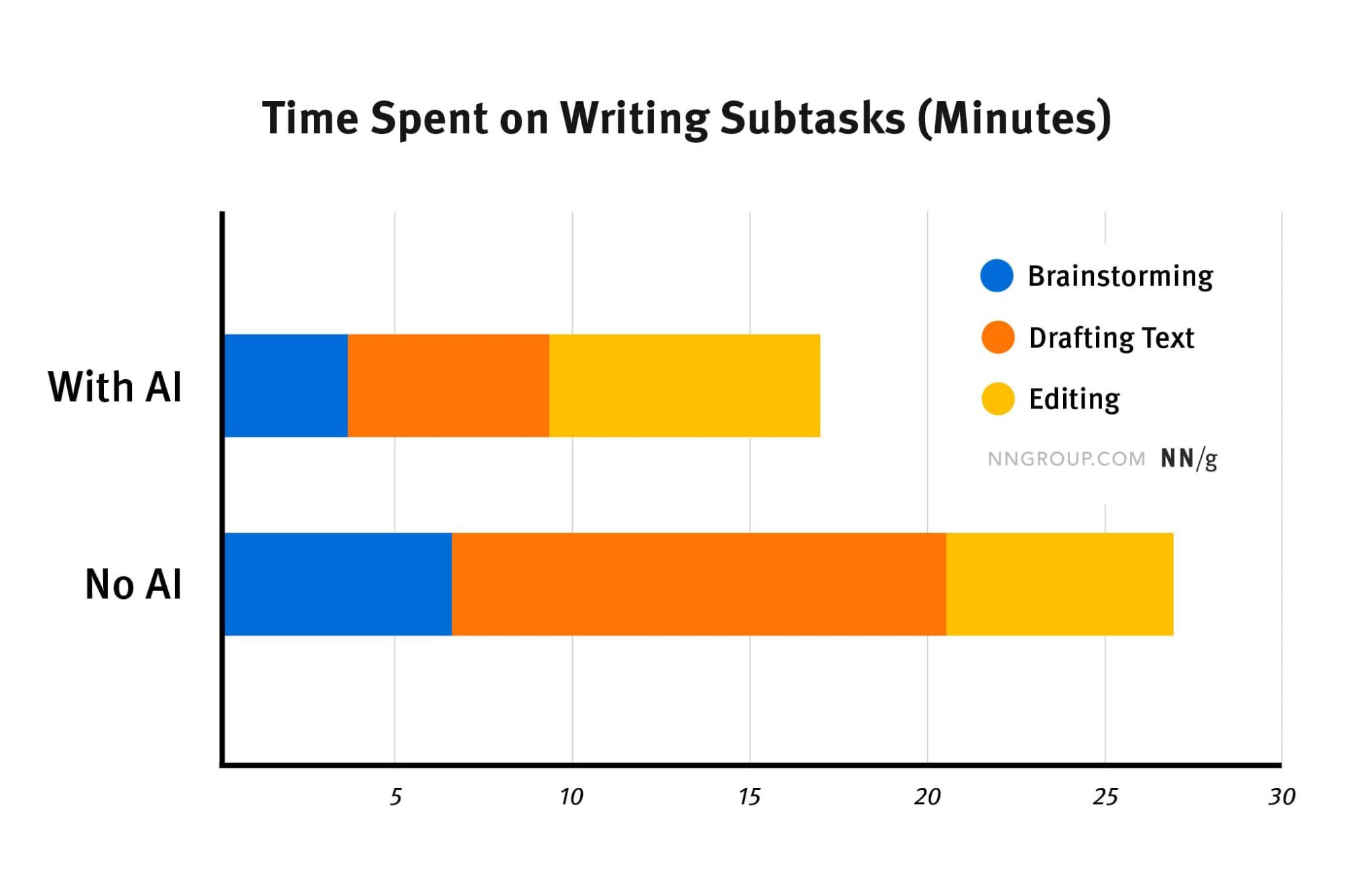
- Noy and Zhang gave ChatGPT to half of 453 professionals on writing tasks. Time dropped 40 percent, quality rose 18 percent, and the weakest performers gained the most.
- Brynjolfsson, Li and Raymond studied 5,179 support agents. Productivity rose 14 percent overall and 34 percent for the newest staff.
- Dell'Acqua and colleagues tested 758 BCG consultants. On tasks the model handled well, consultants finished 12 percent more work, 25 percent faster. On one task outside the model's range, they were 19 percent less likely to get the right answer.
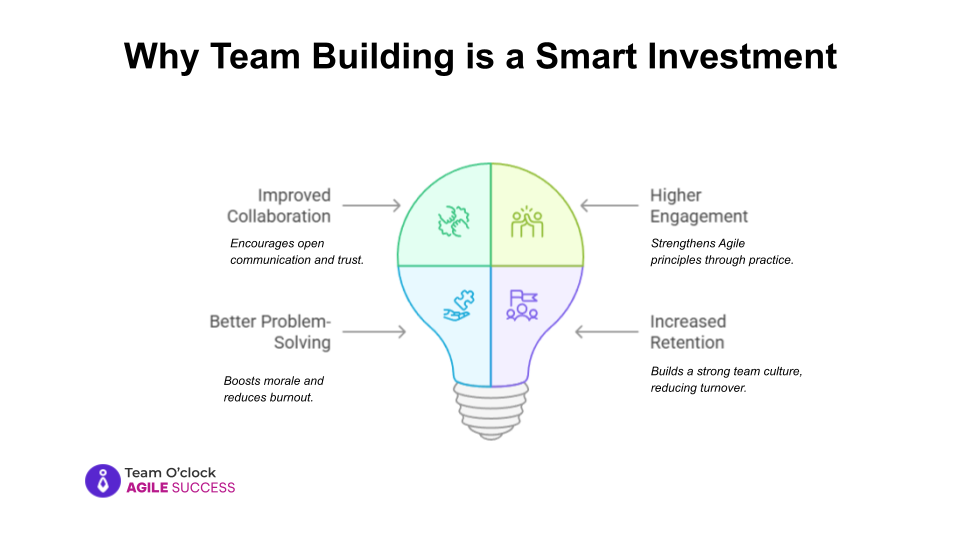
The first two findings are the reason to try this. New hires and quiet people contribute more when the tool levels the field.
The third finding is the warning. The model gives no signal when it crosses from helpful to wrong. In a game, that looks like a role-play with an off-power dynamic or a "fun fact" that should have stayed private. A human has to be watching.
👍 Where ChatGPT helps
- Keeping everyone involved. Prompt it to track who has spoken. Nobody reads favoritism into a prompt.
- Collecting ideas without names. Ideas go into a shared thread, and the model groups them. Job titles stop filtering what gets said.
- Keeping time. Two eight-minute rounds with a hard stop beat one open-ended round.
- Creating a record. A summary with themes and next steps, written before the call ends, often outlasts the game.
🚧 Where it falls short
It does not know when the energy in the room dropped, or that the new hire went silent because the last prompt embarrassed them.
There is also a sameness problem in creative work. When everyone takes the model's suggestions, the answers start to look alike. Use the model for volume and structure, and keep the choosing human.
🏆 Four Games Worth Running
These work with groups of 4 to 40, in person or remote. For a version with none of the setup, Confetti's virtual team-building events come with a live host.
1. Idea sprints
Give the model a specific challenge and a time limit. Have it run rounds with different rules: ten wild ideas, five that could ship this quarter, three that mix one from each list.
Let people build on each other's entries. At the end, ask it to group the themes and set up a vote. Keep the vote itself human.
Kellon Ambrose, Managing Director of Electric Wheelchairs USA, an online retailer of power wheelchairs and mobility scooters for customers who often cannot visit a showroom.
He says, "The best ideas about our customer experience come from the people who take the calls and pack the boxes, and they rarely speak first in a meeting. Running an idea sprint through a shared thread changes that.
A suggestion on how we photograph a folding scooter for buyers with limited hand strength came in with no name attached, won the vote, and shipped the next month. The AI did the sorting. The team did the deciding.
2. Role-play rounds
The model plays the tough customer, the partner with different goals, or the new hire with questions nobody wrote down. Team members take short turns, and the model pauses between rounds with coaching notes.
This is the strongest format for support and sales teams because the practice carries straight into real calls. It is also the format most likely to produce something subtly off, so tell the group up front that scenarios describe no real account.
3. Trivia
Themed question sets that mix general knowledge with opt-in company facts, such as product history or launch dates. Small teams, tight clock, hints available.
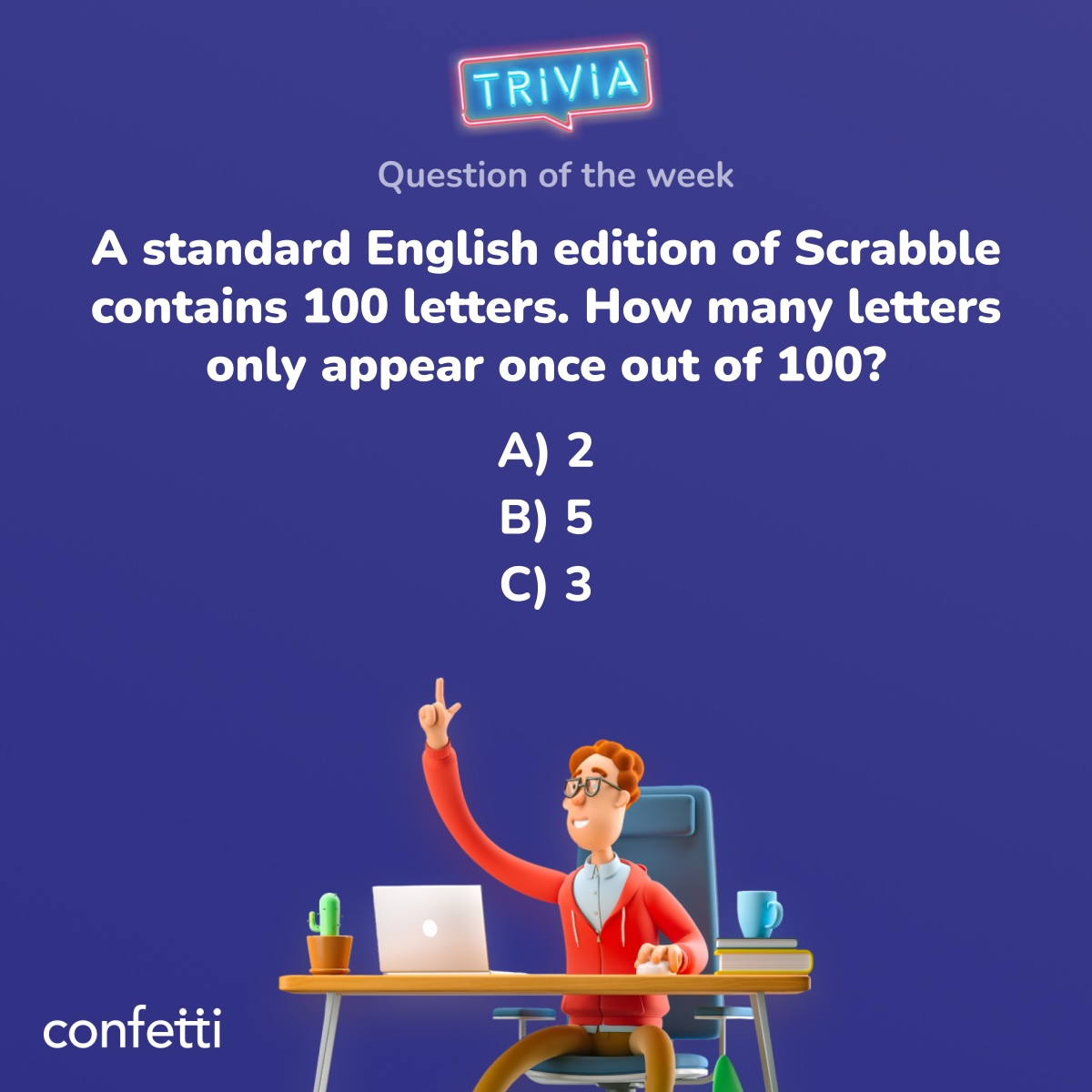
Check the general-knowledge answers before you play. Models give confident wrong answers about dates and records more often than people expect, and the argument eats the round.
Gavin Yi, CEO and Founder of Yijin Solution, a precision CNC machining company that produces custom metal and plastic parts for medical, aerospace, and automotive clients.
He says, "A machinist checks every number on a drawing before a tool touches metal, because one wrong decimal scraps the part. We treat trivia answers the same way. The first time we ran a round on manufacturing history, the AI gave a confident wrong date for the first commercial CNC machine, and the argument ate five minutes.
Now one engineer checks the answer key against a real source before the game starts."
4. Collaborative storytelling
The model opens a scene. Each person adds one line. The model weaves the lines together and keeps the pace up.
This is the lowest-stakes way in, and it works best with groups that are skeptical about AI. Plot twists welcome. Plot holes expected.
Give the best line a small prize. Remote winners can pick their own through a group gifting platform so nobody waits three weeks for a mailed mug.
✍️ How to write the prompt
Vague prompts produce bland output. Tell the model the group size, the clock, the tone, and the shape of the session. Something like:
Act as a game host for 12 people. We have 20 minutes. Run two rounds with a three-minute recap at the end. Keep the tone playful, ask one question at a time, and wait for responses before moving on.
Without the instruction to wait, the model runs the whole game in one message and there is nothing left to play.
🔒 Set privacy rules first
Decide what is off-limits before the first session, and say it out loud.
- Company facts used in trivia should be opt-in.
- Personal facts about employees stay out unless that person offered them for this purpose.
- Customer names, deal details, and anything under NDA stay out of prompts.
If any of this is sensitive for your company, check the data-retention terms on your ChatGPT plan. Business and consumer plans differ.
🚀 Rolling it out
Start with one 20-minute format and one written prompt. Run it with a small group that will tell you if it was bad.
Pick a success measure you can count: how many people spoke, how many ideas made the vote, whether anyone asked when the next one is. Then adjust the prompt and run it with a bigger group. For more formats to pair with it, browse Confetti's virtual team-building activities.
Give the group a one-minute explanation of how it works before the first round. Most resistance to AI at work comes from not knowing what happens to what you type. And normalize asking the model for a redo. A flat round gets fixed by saying so.